| ▲ | KronisLV a day ago |
| > The C15 represents a time when a vehicle was a tool. I feel vehicles want to turn into a subscription service these days. I wonder how differently cars would be built, if instead of maximizing for value extraction and crap nobody needs, they instead were optimized for utility and maintenance (and sure, fuel economy, aerodynamics and some sane environmental stuff). Like take the C15 and add 2-4 decades of manufacturing and safety improvements, while keeping it simple and utilitarian. |
|
| ▲ | Fiveplus a day ago | parent | next [-] |
| That would be the absolute dream engineering brief. If I actually sit down and design that vehicle, it would have something like this. List, off the top of my head. 1. You keep the modern metallurgy and the crumple zones. You keep ABS and basic traction control because they are solved problems that save lives without needing cloud connectivity. 2. Instead of a 2000 USD proprietary touchscreen that will be obsolete in 3 years, the dashboard could be just a double DIN slot and a heavy-duty, universal tablet mount with a 100W USB-C PD port. The car provides the power and the speakers and my phone provides the maps and music. When the tech improves, you upgrade your phone, not your dashboard. 3. Nobs and buttons instead of touchscreens like VW has done recently, if my memory serves me right. The tragedy is that regulations in the EU and North America make this incredibly difficult to sell. The sane environmental stuff you mentioned has morphed into a requirement for deeply integrated electronic oversight. But I genuinely believe there is a massive, silent majority of drivers waiting for a car that promises nothing other than to start every morning and never ask for a software update. |
| |
| ▲ | helsinkiandrew a day ago | parent | next [-] | | > The sane environmental stuff you mentioned has morphed into a requirement for deeply integrated electronic oversight Decent catalytic converters require an array of sensors, ECU, and ability to fine control the engine inputs to work - without them most large cities would become smog ridden hells. | | |
| ▲ | Nextgrid a day ago | parent | next [-] | | There's no reason technology has to be user-hostile. You can still have an ECU and screens and everything. When it breaks the screen can be used to tell you exactly which sensor input is out of range. There's no reason parts need to be serialized and learning a new part can only be done once. You can build a modern vehicle that's still repairable. | | |
| ▲ | Braxton1980 21 hours ago | parent [-] | | Modules need to be programmed for your vehicle specs and country because there are different laws and functions. For example rear taillights are different in Europe vs the US. Another is that higher trims of my car have a rear climate zone which has a different fan and actuators for air flow that the module needs to know exist. | | |
| ▲ | MrGilbert 20 hours ago | parent | next [-] | | > Modules need to be programmed for your vehicle specs and country because there are different laws and functions. So are different intervalls of oil change between Australia and Europe - and yet, even in the 90s, people were able to keep that in mind. We got taught to be helpless by the industry, so they can help us out. If that mindset would have existed in the 60s, 70s, then there would not be a "true to OEM" aftermarket available for car parts. We need to get back to that. | | |
| ▲ | notatoad 18 hours ago | parent [-] | | We got taught to be helpless by the industry, so they can help us out. industry is pretty damn good at figuring out what customers actually want, instead of just what customer say they want and then don't actually buy. cars are the way they are because that's what the overwhelming majority of car buyers actually want. The average driver doesn't want their car spitting out error codes, they want a check engine light to tell them to take it to a mechanic, and any information beyond that is confusing. | | |
| ▲ | alextingle 11 hours ago | parent | next [-] | | Are you sure that's what customers want, or maybe it's what dealers want? The check engine light tells you nothing. It tells your local mechanic nothing. Do you can't get the problem fixed easily or cheaply. What it does, is force you to take the car to a dealer, who has the specialist, proprietary equipment needed to interpret the fault. And these gatekeepers will charge you a fat premium for that. So no. I don't think this design choices are driven by a desire to serve the customer. | | |
| ▲ | notatoad 9 hours ago | parent [-] | | the check engine light tells you there's an OBD code available to be read. you can buy a reader for $20 on amazon, or your local hardware store, or i've even seen them at gas stations. you don't need "specialist proprietary equipment" that "gatekeepers charge a fat premium" for. this isn't magic. most people take it to a mechanic instead, because that's what they'd rather do. | | |
| ▲ | MrGilbert 20 minutes ago | parent | next [-] | | Even if I get the DTC codes out of the OBD - and then? Without the manufacturers service manual, I'm lost at interpreting the codes. For older cars, these manuals are somehow "obtainable" through "sources", but do not expect the manufacturer to help you out if, in fact, you are interested in fixing your own car. So yes - it’s the industry that got us screwed. | |
| ▲ | Nextgrid 9 hours ago | parent | prev [-] | | Not entirely correct. OBD only mandates emissions information to be made available in a standardized way. There are plenty of proprietary codes that might set a malfunction light and not show up on an OBD reader, or not be interpreted by it. (there are tools that reverse-engineer the proprietary protocols that can show those codes, but they aren't $20 - more like $200 and up) I really don't see why you're defending hiding information. Even for someone who doesn't want to mess around and would just take it to a dealer, making the information available without the need for a code reader will not hurt in any way. |
|
| |
| ▲ | esseph 9 hours ago | parent | prev [-] | | Ah, there is a distinction between new car buyers, and used car buyers. New car buyers are 10-15% of the annual car market (US). The other 85-90% of people are stuck with whatever the other people bought. |
|
| |
| ▲ | bri3d 21 hours ago | parent | prev | next [-] | | Sure, but the reasons programming requires proprietary software accessible only to the dealer via some kind of online access are depressing: laziness, greed, and crime. Making software that's usable by independent shops and consumers costs money, eliminates business lock-in to dealers, and boosts the gray/black market for broken or stolen parts, so the only reason manufacturers do it at all is when they are required to by regulation. | | |
| ▲ | tmerc an hour ago | parent [-] | | Calling bs. It takes more effort to implement proprietary protocols and codes in addition to the globally mandated obd2 protocol. You can extend obd2 with additional codes that could be read by a simple device. It costs money to run servers that check your license to read those proprietary codes. It's not laziness. The black market on stolen parts isn't affected by this. Catalytic converter are stolen and resold all the time and swapping one doesn't require anything more complex than a socket set and a new gasket (assuming the thief didn't use a cutting tool, but then you just weld). Cats also get sold for scrap, so not sure what the software lock is gonna do for that. Hellcat engines get swapped all the time. ECUs get flashed by the black market regardless of the software locks. But what we see this proprietary software get used for is blocking the ability to swap brake pads and block heated seats. So it's not crime, but I'll agree on greed. | | |
| ▲ | bri3d an hour ago | parent [-] | | Did you miss the > Making software that's usable by independent shops and consumers costs money sentence before “calling BS”? > The black market on stolen parts isn't affected by this. Cars have more parts than a catalyst, and the used parts market is absolutely, 100% affected by software adaptation locks. You can watch the price of used engine control modules, instrument clusters, and infotainment modules rise as soon as aftermarket tools come out which bypass protections, and the tools to do so are worth a significant sum of money. > Hellcat engines get swapped all the time Yes, all protections are eventually bypassed, especially weak Stellantis ones, but that doesn’t mean that the goal wasn’t anti-theft, just that the goals were badly achieved. Anyway, I think we broadly agree that vehicle diagnostics should be more open, but discounting crime and “security” as objectives doesn’t work, because they’re the main arguments used against regulatory efforts to improve the situation. EDIT: I read again and I suppose you are arguing that diagnostic tools don’t or shouldn’t cost manufacturers money to make; I simply can’t agree with this argument, any software has a support and maintenance cost which scales with the type and number of users. |
|
| |
| ▲ | Nextgrid 14 hours ago | parent | prev | next [-] | | So the screen can ask for the programming data to be entered or loaded from a USB stick given to you when you buy the vehicle. There’s no reason this can only be done with a proprietary tool you often can’t get legally at all and have to resort to piracy or reverse-engineered aftermarket options. There’s also no reason this can only be done once and then the module is junk. Hardware differences can be autodetected in some cases. | |
| ▲ | otikik 18 hours ago | parent | prev [-] | | That’s just a bunch of “if”s. And they are already programmed. But instead of coming directly built in on the vehicle you need to purchase a very expensive tool that hooks on the port and then tells you what the vehicle should tell you in the first place. |
|
| |
| ▲ | ninalanyon a day ago | parent | prev | next [-] | | The solution to city air pollution is a different vehicle with a different drive train: an EV. The C15 is a workhorse for farmers and craftsmen not for shopping trips and driving the family to visit granny on the other side of town. | | |
| ▲ | writebetterc a day ago | parent | next [-] | | > The solution to city air pollution is a different vehicle with a different drive train: an EV. Priority list should basically be: 0. Bicycles
1. Metro
2. Buses
3. EVs (not counting emergency and service vehicles) | | |
| ▲ | kergonath 20 hours ago | parent | next [-] | | > 0. Bicycles 1. Metro 2. Buses 3. EVs -1. Feet | |
| ▲ | fwipsy a day ago | parent | prev [-] | | [flagged] | | |
| ▲ | oakesm9 a day ago | parent | next [-] | | We do have bicycle ambulance which carry a defibrillator [0] The 40 paramedics attend over 17,000 calls a year and the average response time is 6 minutes. [0] https://www.londonambulance.nhs.uk/calling-us/who-will-treat... | |
| ▲ | wongarsu a day ago | parent | prev | next [-] | | More bicycles, metros and buses leaves more space on the street for emergency vehicles | |
| ▲ | writebetterc a day ago | parent | prev [-] | | > (not counting emergency and service vehicles) Just gotta read the last line too :P | | |
| ▲ | scott_w a day ago | parent | next [-] | | Cut him some slack, he might have been having a heart attack at the time and in need of one of those ambulances! | |
| ▲ | Supernaut a day ago | parent | prev [-] | | What do you mean, at a practical level, when you set out your "priority list" above? Are you referring to the use of congestion charges to discourage private motor vehicle use? | | |
| ▲ | tsimionescu a day ago | parent | next [-] | | Not OP, but I don't think congestion charges are the most important part here. It's more about what type of infrastructure to prioritize resources and work for. Basically, the idea is that the town or city should not spend money on building parking, for example, and instead spend it on bike lanes, or two more busses, or some extension to the metro line. | |
| ▲ | scott_w a day ago | parent | prev [-] | | It’s entirely dependent on the situation. Some areas, additional charges work best. In others, it’s possible/necessary to redesign road and street layouts to prioritise higher-density modes of transport and physically discourage low-density modes like cars. This might be priority lights for public transport, lowering speed limits and narrowing streets. In some contexts, it’s necessary to completely disallow cars with things like bus lanes, bike/pedestrian-only areas. Separated tram/metro lines, too. Most of this infrastructure, in practice, also aids emergency vehicle use as they can usually fit down bike lanes and are obviously able to fit in bus lanes. |
|
|
|
| |
| ▲ | fpoling a day ago | parent | prev [-] | | EVs are still heavier than ICE vehicles and will for the next 10-20 years unless one is OK with a tiny battery. And heavy weight means more pollution from wheels that produce particles that ends up in lungs. Note brakes also pollutes with asbestos but EVs typically have regenerative braking so I think brakes pollutes roughly the same in a heavier EV as in ICE car. | | |
| ▲ | rickydroll a day ago | parent | next [-] | | I compared the weights of EVs versus ICE, and they were surprisingly close. Most of time, the differences were in the 15% range, and then you find exceptions like the Hummer, which is 30% heavier. I'm sure it comes as no surprise That the heavier the vehicle, the bigger the difference in ICE versus EV weight. While I think lighter weight vehicles of all types would be a big win, I fear that ship has sailed. I think we have an opportunity to reset vehicle size both from a desire for cheaper and simpler vehicles. Look at cost and weight of the BYD EVs and the new pickup trucks from Slate and Telos. Overall, I find the slightly increased weight for an EV to be an acceptable trade-off. Brakes last longer, tires, depending on make, are about 10% shorter life at most and overall maintenance is much less. Since I keep my cars until the body goes toes up, I have a much lower carbon footprint. than the 3yr lease route | | |
| ▲ | bee_rider 20 hours ago | parent | next [-] | | If you give the difference in weight as a percentage, it is sort of surprising that the percentage is higher for heavier vehicles, right? Or at least I don’t get it. I’d expect the EV to be a constant factor heavier, a total weight of combustion_vehicle*1.1 or something. | | |
| ▲ | kelnos 20 hours ago | parent [-] | | I wonder if it's sorta like the rocket equation. A heavier vehicle requires larger batteries to move the extra weight with a comparable range as a smaller vehicle, but the batteries are heavy too, so you need even more battery to move the heavier batteries. | | |
| ▲ | 20after4 20 hours ago | parent [-] | | It's exactly that. Battery = heavy, heavy vehicle = short range. I wonder if ICE vehicle weight is calculated with a full fuel tank? Gas / Diesel is also pretty heavy and large vehicles have large empty spaces to be filled with fuel. |
|
| |
| ▲ | b40d-48b2-979e 21 hours ago | parent | prev [-] | | I had a 2010s Civic and moved to a Model 3. The curb weight difference was only ~3-400 lbs (about 10%), but the larger battery capacity, large SUV offerings are significantly heavier than ICE options (the F150 Lightning is about 2,000 pounds heavier than an ICE F150, for example, 5,000 -> 7,000 lbs.). |
| |
| ▲ | avidiax a day ago | parent | prev | next [-] | | The tire pollution is true, but the brakes hardly get used on an EV. They are almost for emergency use only. Mine has a special mode to disable regeneration for a while so you can use the brake pads to clean the rotors. | |
| ▲ | nl 18 hours ago | parent | prev | next [-] | | Modern car brakes don't have asbestos. The difference in tyre wear is so marginal it's probably unmeasurable - less than the difference between running at the correct pressure and forgetting to check your tyre pressure. ICE vehicles also have exhaust pipes which pollute some too... | |
| ▲ | vincnetas a day ago | parent | prev [-] | | My EV is lighter than your ICE. Volkswagen eUP. 1183kg. 250km range in summer conditions. | | |
| ▲ | torginus a day ago | parent [-] | | I love the idea of these tiny EVs. Apparently the EU's making some legislation for them so that they can go without much of the expensive 'safety' equipment such as driver tracking. Parking cars in cities not designed for them is a nightmare, but getting around with a car is so much faster than public transport, even if your city's is fairly decent. | | |
| ▲ | smaudet 21 hours ago | parent | next [-] | | Hybrids are even better, super tiny batteries with an ICE on standby. If you scale size as well (like a motorcycle but e.g. as a tricycle for safety), you can realize some major efficiency improvements (doubling or tripling energy efficiency). Which is why, bicycles should be the focus of transportation improvement. | |
| ▲ | immibis a day ago | parent | prev | next [-] | | tangential: people also underestimate the convenience of public transport being a one-way trip, meaning you can go from A>B>C>D>A and never have to go back to a previous spot to pick up a part of your luggage that you left behind. | | |
| ▲ | torginus 21 hours ago | parent [-] | | Personally, when not being a tourist, almost all my trips are home to some place and back again. Public transport is great, but if you're going to a less good part of the city, or even just a place that's unfamiliar, and less frequented, it might be a bit more difficult to get around. And public transport travel distances can be patchy based on where the stops are, especially if you're going to the outskirts of your city. Also when having to be present in the office, that extra 15-25 mins (x2) it takes to get to and from the office adds up quickly. |
| |
| ▲ | peregrinus1 21 hours ago | parent | prev [-] | | [flagged] | | |
| ▲ | 20after4 19 hours ago | parent [-] | | Replying to the entirely wrong thread? I'm not sure how this ended up here. | | |
|
|
|
|
| |
| ▲ | maxerickson a day ago | parent | prev | next [-] | | For gasoline engines, electronic fuel injection is far better than a carburetor, it isn't just the emissions systems. Sure, it's harder to work on. The trade off there is that you don't have to work on it. | | | |
| ▲ | Animats 20 hours ago | parent | prev | next [-] | | Engine control alone can be self-contained. The Ford EEC IV of the 1980s had its program permanently etched into the Intel 8061 CPU, and was designed to last 30 years. It did. I finally sold off my 40 year old Ford Bronco, which was still running on the original engine and CPU. | |
| ▲ | pantalaimon a day ago | parent | prev | next [-] | | If you have an electric vehicle you need none of that | | |
| ▲ | everdrive a day ago | parent | next [-] | | And if people would make one that wasn't an iPad on wheels I'd be in line to buy. | | |
| ▲ | wrigby a day ago | parent [-] | | This is my exact same sentiment. I’m cautiously excited about the upcoming Slate Pickup[1] - I can see it being my go-to if I leave NYC, but it still won’t hit like the XJ Cherokee I drove before I gave up cars for the city. 1: https://www.slate.auto/ | | |
| ▲ | klum a day ago | parent | next [-] | | Looks interesting, I wonder to what extent they really want to make cars DIY-able again (as they state). On the one hand, they mention servicing is "easy" — just turn to their partner repair shop chain! On the other hand, there's Slate University and mention of repairability. I haven't followed development of this at all, so I'm genuinely curious. Hope it's not just "you can swap in and out our proprietary modules". | |
| ▲ | hypercube33 a day ago | parent | prev | next [-] | | I really want to like the slate but their speakers and tablet holder concept actually are awful. Just a super basic off the shelf din rail hole and aux in and slap the most basic touch screen with physical control stereo you can find in there that does air play and car play works for me. also stereo speakers in the glove box is...what | | |
| ▲ | idiotsecant a day ago | parent [-] | | Who cares. Literally every discussion of vehicles someone has to bring up infotainment systems. You know that getting your dopamine drip is not what a vehicle is for, right? | | |
| ▲ | esseph 9 hours ago | parent [-] | | If I have to drive 2 hours or more every day or 12+ hours for work a few times a month (not in a long time anymore for either), it better be fucking enjoyable. |
|
| |
| ▲ | soared a day ago | parent | prev | next [-] | | I like the idea of a slate but the truck bed just makes no sense at that size. I don’t understand why it’s not defaulted to another row of seats or hatchback, with the option to convert to truck. 5 ft bed without extension is kind of pointless as a bed, but huge as a trunk. | | |
| ▲ | everdrive a day ago | parent [-] | | That's effectively what it is, but reverse. You buy it as a truck, and can buy seats & cap and turn it into an SUV. I see it as the closest thing you can get to a kei truck in the US without importing. Relatively cheap, good payload capacity, (better than a lot of trucks out there) effectively unable to tow, 5-foot bed, which is the same or larger than most mid-size trucks, and a tiny form factor. It's certainly a niche vehicle, but it looks exciting if it can fill you niche. |
| |
| ▲ | peatmoss a day ago | parent | prev [-] | | I worry about the Slate truck being DOA with expiration of incentives for EVs. Someone please tell me I'm wrong, because if they do deliver as promised, I'll be excited to buy one. For me, I'm hoping it fills the mid-90s Isuzu Pup sized hole in my heart. |
|
| |
| ▲ | nottorp a day ago | parent | prev [-] | | For the price of that C15 (adjusted for inflation it seems) you may be able to buy a battery for an EV. Maybe. |
| |
| ▲ | ramesh31 a day ago | parent | prev | next [-] | | This is why late 90s cars are objectively the greatest ever built. You had ECUs, cats, ABS, disc brakes, airbags, power steering, and conventional automatic transmissions. Everything that makes a modern car safe and reliable, but none of the high tech digital BS that has infused things nowadays. | | |
| ▲ | dgacmu a day ago | parent | next [-] | | ESC (electronic stability control) didn't become common until about 2010 to 2015. It makes a really big difference for safety -- EU estimates are that it's saved more than 15,000 lives. Let's backport that one too. :) | | |
| ▲ | wrigby a day ago | parent | next [-] | | My 2004 RX-8 had decently solid ESC, but it was a “high-end” vehicle at the time. It’s definitely something we want to keep in our idealized vehicle (but let’s also keep the “disable ESC so I can have fun” button) | | |
| ▲ | 20after4 19 hours ago | parent [-] | | I was going to make this exact comment. The RX-8 had excellent stability control. Saved my ass at least once going too fast around a 90 degree corner. It also behaved really well on icy roads. It was pretty incredible for a rear wheel drive sports car, especially impressive at the time compared to every other car on the road back then. |
| |
| ▲ | dizhn a day ago | parent | prev | next [-] | | I bought my first real wheel drive car in 2014. Still have it. It's not a race car. About 170hp. It struggles at the smallest curves. Good thing it has traction control and esp. Except all the front wheel cars I had before, one even slightly more powerful and smaller, never needed any of that. Never ever buying a rwd again. (Enthusiast forums of the brand tell me I don't know how to drive RWD. Skill issue. :D) | | |
| ▲ | MobiusHorizons a day ago | parent | next [-] | | Rwd is definitely sketchier in certain circumstances, especially going uphill in low traction. Also pretty bad in the snow generally. but I’ve only had issues going around corners when it was very wet and I was driving faster that the speed limit. If you are running into traction issues driving normally (ie not flooring it) I would recommend having your tires and alignment checked, even with RWD that should not be happening in my experience. | |
| ▲ | jonasdegendt a day ago | parent | prev [-] | | You should look into different tires perhaps. | | |
| ▲ | dizhn 19 hours ago | parent [-] | | I will grant that there might be a match issue but I don't think Michelin Pilot Sports are bad tires. |
|
| |
| ▲ | Glawen a day ago | parent | prev [-] | | It was available already on late 90s vehicles.
That was the fix to solve Mercedes Class A failing Elk test: put ESP on all trims |
| |
| ▲ | formerly_proven a day ago | parent | prev [-] | | In reality many 90s cars are phenomenal rust buckets due to issues in the adoption of water-based paints, cars which actually still have tangible amounts of steel in their panels are basically golden samples. |
| |
| ▲ | ambicapter a day ago | parent | prev [-] | | What do the sensors do? There's not much you can change in the catalytic converter so I assume it's just reading temperature? So I assume it's changing the fuel/air combustion ratio according to the cat's temperature? | | |
| ▲ | immibis a day ago | parent [-] | | Not a motorhead but IIRC a combustion with too little oxygen produces soot (pollution) and one with too much oxygen produces NOx pollution, with a sweet spot in the middle. The exhaust oxygen sensor allows the ECU to adjust the air/fuel mix to hit the minimum pollution spot, instead of estimating it. There might also be a catalyst temperature sensor or something. It's not a "whole bunch" of sensors, it's a few sensors and it's not some inscrutable magic, it's somethijg someone could replicate in open-source if they had equipment and time. We really need to get away from the mindset that proprietary stuff contains inscrutable magic. It's often worse quality than the open thing. However, it does have the right connections to be allowed to be put in a car that drives on the road. |
|
| |
| ▲ | schmuckonwheels a day ago | parent | prev | next [-] | | >the dashboard could be just a double DIN slot and a heavy-duty, universal tablet mount with a 100W USB-C PD port. The car provides the power and the speakers and my phone provides the maps and music. Legally mandated backup cameras make your idea DOA. In fact, nearly everything terrible about cars in the last decade can be traced to regulations in some way. Wondering why transmissions are insanely complicated and unreliable now? Manufacturers were forced to eek out an extra couple MPG due to continually tightening environmental regulations. Something has to give. | | |
| ▲ | MobiusHorizons a day ago | parent | next [-] | | > In fact, nearly everything terrible about cars in the last decade can be traced to regulations in some way. I think the reason we even need backup cameras now is that visibility is so poor on modern vehicles. I think that in turn is due to increasing the height of the bottom of the windows for better airbags. I’m sure it’s great in a crash, but visibility is also a safety concern. Not all of it is regulations though, but lot of common complaints. | |
| ▲ | kalleboo 9 hours ago | parent | prev [-] | | >Legally mandated backup cameras make your idea DOA. Cheap cars without fancy entertainment systems put the backup camera screen in the rear-view mirror. You can get these kits for like $20 on aliexpress. |
| |
| ▲ | sokoloff 2 hours ago | parent | prev | next [-] | | My understanding is that ABS in cars has surprisingly little effect on fatalities. It is a huge lifesaver when deployed to motorcycles, and a benefit to reducing non-fatal crashes, but not much for fatals in cars. (I agree it's a well-solved problem and the reduction in non-fatal crashes makes it worthwhile from a convenience standpoint alone.) | |
| ▲ | ornornor a day ago | parent | prev | next [-] | | > Instead of a 2000 USD proprietary touchscreen that will be obsolete in 3 years, the dashboard could be just a double DIN slot and a heavy-duty, universal tablet mount with a 100W USB-C PD port. The car provides the power and the speakers and my phone provides the maps and music. When the tech improves, you upgrade your phone, not your dashboard. Dacia does that. The base sandero comes with speakers and Bluetooth. The rest is up to you, there is no screen no radio. | | |
| ▲ | kergonath 20 hours ago | parent [-] | | I am happy with Car Play as a decent middle ground. It’s nice to have a large screen, and everything is still done on the phone and not on a shite computer whose components were cost-cut to an inch of their lives. |
| |
| ▲ | hypercube33 a day ago | parent | prev | next [-] | | We already had basically the solution you suggested with airplay/car play - USB charger with audio out that just is a display. when a phone isn't plugged in it shows super basic radio features like station and song name for AM and FM. | | |
| ▲ | 20after4 19 hours ago | parent [-] | | Had it and now most manufacturers are abandoning that for some proprietary crap that's much worse and requires a subscription for navigation and music streaming. |
| |
| ▲ | a day ago | parent | prev | next [-] | | [deleted] | |
| ▲ | roland35 a day ago | parent | prev | next [-] | | You should look into the slate truck! This is exactly what they are trying to do | | | |
| ▲ | HPsquared a day ago | parent | prev | next [-] | | Maybe Framework could get into the car business. | |
| ▲ | 4MOAisgoodenuf 10 hours ago | parent | prev | next [-] | | Please allow me to introduce you to the second gen Toyota Yaris | |
| ▲ | jfengel a day ago | parent | prev | next [-] | | Incidentally, you're describing my 2020 Subaru Impreza. Under $20k for my dealer demo. I do wish it supported a later version of Android Auto so that I could run that via Bluetooth. (It does have regular Bluetooth but that's just audio.) | | |
| ▲ | crazysim a day ago | parent | next [-] | | Wireless Android Auto or Carplay generally use BT to setup but WiFi to send the bulk of the graphical data over. That said, there are adapters to make an existing Android Auto Wireless if you want it. I think some are sold on Amazon too so you could probably try and maybe return. I don't have any experience with them since I'm very happy with my car's built in wired Android Auto and the reliability of cabling but it is something you can try. | | |
| ▲ | jfengel a day ago | parent [-] | | Thanks for the tip. I'll look into it. | | |
| ▲ | devilbunny 2 hours ago | parent [-] | | I have one for my wife's car that has wired-only CarPlay. The dongle can do Android Auto as well. It has a bit of lag compared to wired or built-in wireless CarPlay (have used that in rentals) but it's not really an issue for usability. It was maybe $30. |
|
| |
| ▲ | cuu508 a day ago | parent | prev [-] | | Were they sold with an option to have have no OEM infotainment? Just speakers and a phone mount? | | |
| ▲ | jfengel a day ago | parent [-] | | I don't think it has any OEM infotainment. I think there is some kind of software in there but I've never looked at it. It's not intrusive. | | |
| ▲ | cuu508 a day ago | parent [-] | | Looking at image search for "2020 impreza dash" there's a screen above climate controls in all images. I was asking if there was an option to have no sceen. | | |
| ▲ | acheron a day ago | parent | next [-] | | Backup cameras are required by regulation since the late 2010s. You can’t sell a car with no screen. | | | |
| ▲ | jfengel 20 hours ago | parent | prev [-] | | Oh, I see. I don't know. I doubt it. That wasn't something I was interested in; I use navigation very often. But it's my navigation tool, not theirs. |
|
|
|
| |
| ▲ | klum a day ago | parent | prev | next [-] | | I have a theory that these environmental regulations at least to some degree defeat themselves. They make engines more complicated, so more fragile and harder for an amateur (edit: or any professional who isn't their own brand repair shops) to service. They encourage smaller-block engines with turbos and compressors which makes the engine more short-lived. They produce stuff like throttle-hang and gear selection recommendations optimized for driving economy, not engine longevity (or driving experience, for that matter). On the whole, they seem to be contributing to this movement of taking power away from the end consumer and making your product more and more like a subscription (this goes further than the car industry, of course). I do realize that it's important to cut down on pollution! And maybe this kind of stuff has been studied... although I imagine it would be very hard to do accurately. Imagine if a car manufacturer would provide service guides, easily-accessible part diagrams and competitively priced spare parts. Imagine if they optimized for longevity and if the handbook that came with the car had more technical details than it had warnings about how doing any kind of maintenance yourself will result in a) your death and b) a voided warranty. That would be pretty nice. | | |
| ▲ | nandomrumber a day ago | parent [-] | | Did I hear right that some new vehicles are claiming 20,000km service intervals? I know I’ve seen 15,000 service intervals. This is the minimum to maintain the warranty for the first 3 / 5 / 7 seven years whatever. If you change the oil at every 5000k and never turn off a cold engine - all petrol engines have fuel wash down at ignition cut, but much worse when the engine is come - you should expect 500,000+ plus kilometres out of an engine barring any metallurgical problems or manufacturing defects. Petrol makes a poor lubricant for engines, and fucks engine oil. The less of it in engine oil the better. Modern engines and fully synthetic oils are way better than the their counterparts from my youth, but 15,000+ kilometres service intervals are less about what engines need and more about what the folks over in marketing need. Edit: I did see a second hand commercial diesel van recently that had met all service requirements for the warranty period, x number of years or 90,000 kilometres. This meant it had logged exactly two oil changes since new, and the third had just been done at 90,000. 90,000k on two oil changes. Wild. |
| |
| ▲ | everdrive a day ago | parent | prev | next [-] | | How about an option just to have one of those old Ford radios with the huge buttons you can push with gloves on? And maybe an aux-in? | | |
| ▲ | nandomrumber a day ago | parent [-] | | So long as it also plays cassettes. My first car had the mechanical radio buttons and cassette player, I think you even had to turn the cassette over when one side ended. |
| |
| ▲ | Braxton1980 21 hours ago | parent | prev [-] | | I can unlock my doors with my phone and monitor the cars location with my phone with cloud connectivity. This isn't required and was offered as a 5 year free plan with optional paid extensions after How is this bad? | | |
|
|
| ▲ | Aurornis a day ago | parent | prev | next [-] |
| > I wonder how differently cars would be built, if instead of maximizing for value extraction and crap nobody needs, they instead were optimized for utility and maintenance (and sure, fuel economy, aerodynamics and some sane environmental stuff). Auto manufacturers already have stripped-down base models of their entry-level vehicles. Many have commercial versions of their vehicles, especially trucks and vans, that are stripped down. The stripped down base models don't sell well. Remember how the internet was clamoring for an iPhone Mini? Whenever there were complaints about modern cell phones, you could find what looked like unanimous agreement that a smaller iPhone would be the golden ticket. Then Apple made an iPhone Mini, and it did not sell well. The same happens with vehicles. Whenever you find threads complaining about modern vehicles it seems unanimous that modern vehicles have too many things consumers don't want and we'd be better off with simple base models. Yet simple base models do exist already and they don't sell well. Real consumers look at their $20,000 Nissan Versa and realize that spending an extra $1-2K on amenities isn't going to change their monthly payment much. There is a lot of precedent for this. The Tata Nano was an Indian micro car that was small, low-power, and had bare minimum amenities. It was under $5K USD in inflation-adjusted dollars. It was discontinued due to low demand because sales declined steadily year over year. Nobody wanted it. |
| |
| ▲ | jfengel a day ago | parent | next [-] | | I wonder how much of that is due to dealers, who want to upsell. Do they even keep the base model in stock, or does it have to be special ordered (or today, we can give you a "discount" on the fancy model that still has a higher profit margin for us). I'm just speculating; the same reasoning wouldn't apply to the iPhone mini. But car dealers have a lot of incentive to skew the results. It takes a fair bit of willpower to say "I am buying this specific car I want and will go elsewhere if I can't have it." | | |
| ▲ | tanjtanjtanj a day ago | parent | next [-] | | Just as an anecdote - When I was buying my last car I went in and asked for just the base model with nothing added onto it, ie not even the "eXtra Special" designations, and the dealership said they probably won't have any for a long time and if I'd like to pay 50% more for one with some features added on. I declined and kept looking at the inventory of the 4-5 dealerships nearest to me. For six months they never had a single base model. I started looking at another maker and they seemed to have base models that just wouldn't sell, stuck on lots for that same time period. | | |
| ▲ | Aurornis a day ago | parent [-] | | > and the dealership said they probably won't have any for a long time In my case, I told the dealerships I was okay with waiting up to two years to get the exact trim I wanted. I told them whichever dealership could get me an allocation first got the sale. Then I literally stood up to leave. And like magic, they went to the computer and found the exact trim I wanted and got my allocation a month out. I was extremely picky on color and options, though. If I had been flexible on color it would have been sooner. The sales people at dealerships will pressure you into upsells. They’re not going to turn down an easy sale if you demonstrate that you know what you’re doing. They were trying to upsell you. | | |
| ▲ | nandomrumber a day ago | parent | next [-] | | >> When I was buying my last car I went in and asked > In my case, I told Exactly. When you’re paying, you don’t ask, you tell. This is what I want, and this is what I’ll pay. Don’t get me started on fucking real estate agents either. Parasites. Real estate sells itself. Conveyancers / Solicitors do all the real work, and typically charge a set fee. Real estate agents typically charge a percentage and they literally don’t do anything. The sales folk at a car dealership aren’t there to help you. There is literally no situation bad enough that a car sales agent or real estate agent can’t make worse. Incapacitated pilot? Fucking useless. Need a dental cavity filled? Fucking useless. Got a problem with your Goggomobil? fucking useless. Packing peanuts are more effective at their claimed benefits than car sales agents and real estate agents are at theirs. | | |
| ▲ | MobiusHorizons 21 hours ago | parent [-] | | Sometimes real estate agents do a lot. Anecdote of course, but my real estate agent spent a few hours basically every weekend with us for like 2-3 months as we toured 25 houses, went over ~10 inspection reports, and made 3-4 offers. And he and his team got roughly 20k. In a better housing market I think they do a lot less, but I know ours did a lot of work. |
| |
| ▲ | tanjtanjtanj 18 hours ago | parent | prev [-] | | That seems unlikely as I literally left and did not buy a car with more options and stayed in contact afterwards but I have seen that technique before where they suddenly "find" one in inventory after they realize you aren't going to take the option that gives them more comission. |
|
| |
| ▲ | Aurornis a day ago | parent | prev [-] | | Anecdotally: I helped someone look for a cheap car recently and the base models are everywhere on my local lots. YMMV and I'm sure someone will respond that their area doesn't have any, but in my recent experience it wasn't hard to find a base model at all. It's driven by consumer demand: If you can pay $30/month on your 5-year loan and get heated seats and a nicer navigation system, that's $1/day for 5 years and then you own it. It's easy to talk yourself into stepping up to something nicer that you're going to use every day. | | |
| ▲ | graemep a day ago | parent [-] | | I suspect you are right that this is linked to how much time people spend in their cars. I am quite happy with a cheap car because I do not use it everyday, and even when I do the majority of my journeys are short ones (15 to 20 min). | | |
| ▲ | jfengel a day ago | parent [-] | | I really wish there were an even cheaper car for that use case. Perhaps billed as a second car for families, where one is used just for commuting and errands, and the other is the general purpose one with a longer range. Say, with an 80 mile battery, two seats, and under $10k. I gather that they exist in China and might be allowed into the US. I'd buy one. | | |
| ▲ | seec 3 minutes ago | parent | next [-] | | Same.
Something like the Citroen AMI but with better range and speed, probably slighty bigger and around 10K. I doubt it's going to happen because that would kill a large part of the market : every familly that needs 2 cars just because they go to work to different places but would only use a single car for the heavy duty or long range needs.
At the start it would be a hard sell for many because of social status but overtime people end up voting with their wallet, so it could work. But that would be a pretty bad deal for the industry, so they'll only turn to that if they can't sell anything else. Nowadays even the smallest cars starts around 20k, which is absurd and it even affect the second hand market because cars maintain their value better thanks to this pricing. | |
| ▲ | nandomrumber a day ago | parent | prev [-] | | I was hoping secondhand Nisan Leaf’s would fit those criteria by now. The Nissan Leaf’s biggest problem is it’s the only vehicle in its class worth considering, or available at all, so secondhand ones are sold at whatever the market will bear. There’s the Prius, but whoever is responsible for its styling will be the first against the wall when the revolution comes. |
|
|
|
| |
| ▲ | soared a day ago | parent | prev | next [-] | | Agreed - check out for example a Toyota rav4 le. This is the base model with effectively zero modern “subscription-esque” fancy features. It’s got a touchscreen and power windows, but otherwise it’s all the reliability/etc of Toyota and that’s it. About half the price of what most rav4s are listed at and $20k+ cheaper than a 4Runner. | | |
| ▲ | M95D 21 hours ago | parent | next [-] | | It has a Data Communication Module - it spies on you. If you try to remove that, you lose audio in the front right speaker. | |
| ▲ | hedgehog a day ago | parent | prev | next [-] | | Oh no, across the line Toyota still tries to sell you a subscription service that's required for things like remote start. | | |
| ▲ | Aurornis a day ago | parent [-] | | So? Why would people buying the cheapest possible model care? Remote start is a luxury feature. Just ignore the subscription offer like a luxury trim option. | | |
| ▲ | nottorp a day ago | parent [-] | | It depends. What else is included in that subscription? Mirror and seat heating by any chance? Can you buy a Toyota that isn't always online? Because having remote start available, subscription or not, sounds like you can't. | | |
| ▲ | soared a day ago | parent | next [-] | | My point was you can buy a car that is primarily safety+capability and not luxury+subscription. My rav4 has a touchscreen and power windows but that’s literally it as far as convenience/luxury. ~28k a couple years ago, no subscription. Anything heated, remote, touch to start, etc is in the luxury category what gp was asking about avoiding. | | |
| ▲ | nottorp a day ago | parent [-] | | Depending on the weather, heated mirrors may be a safety feature. I'd very much like that for rain/foggy days for example. | | |
| ▲ | Aurornis a day ago | parent [-] | | This comment section went from “I don’t understand why car makers don’t sell a cheap stripped down car without luxuries” to “Heated mirrors and seats are very important” very quickly. HN comments discovering in real time why the stripped-down base model vehicles don’t actually sell. People like those luxury features and they choose to pay extra for them. | | |
| ▲ | nottorp a day ago | parent | next [-] | | But which ones are luxury? I don’t want a fucking infotainment system that has the fucking a/c controls on the fucking touch screen for example. And I’m not willing to pay 30% extra for electric and then wonder if it’s safe to rent a cabin in the woods for the new year’s. | |
| ▲ | formerly_proven a day ago | parent | prev [-] | | Same procedure as every year, James. |
|
|
| |
| ▲ | Aurornis a day ago | parent | prev [-] | | > It depends. What else is included in that subscription? Mirror and seat heating by any chance? Are you saying it is? Or is this a rhetorical question? Either way, those are again luxury features. If someone is in the market for those features they’re not really looking for the base model any more. | | |
| ▲ | nottorp 19 hours ago | parent [-] | | > Are you saying it is? Or is this a rhetorical question? i don't know. I'm not in the market for a new car atm. And considering how enthittified new cars are, I shouldn't be at all. |
|
|
|
| |
| ▲ | jacobbudin a day ago | parent | prev [-] | | In the United States (USD, MSRP): * 2026 Toyota RAV4 LE (base trim) - $31,900 * 2026 Toyota RAV4 Limited (top trim) - $43,300 * 2026 Toyota 4Runner SR5 (base trim) - $41,570 |
| |
| ▲ | MobiusHorizons a day ago | parent | prev | next [-] | | And yet I personally know more people who own iPhone minis (myself included) now in 2026 than that own pixel phones of any model. I think the data is distorted by the fact that most people who want things like that also don’t typically buy new (especially with cars). I did buy my iPhone 13 mini from Apple directly, but I bought it after the 14 line had already been released. | | |
| ▲ | Aurornis a day ago | parent [-] | | HN commenters and their friends are an extremely biased sample set. The sales numbers don’t lie about the global demand though. | | |
| ▲ | nandomrumber 21 hours ago | parent | next [-] | | I loved the iPhone 4 format factor, but prefer more recent and larger editions for battery life and battery longevity. My only gripe with the 6.7 inch form factor would be solved if someone would just sell me a bigger hand. I can’t hold it one handed and reach the far corner of the screen without some obnoxious accessory like a Popsocket bolted to the back thereby making it impossible to use on a flat surface or fit in a pocket. Come to think of it, Zaphod might have been on to something with that third arm. | |
| ▲ | MobiusHorizons 21 hours ago | parent | prev [-] | | I am aware. My point was basically that the people who wanted them weren’t lying, they really love them, and are willing to keep them for years even though they are getting slightly old now. I’m imagining this doesn’t show up in first year sales numbers in a similar way to how the things people say they want in cars typically drive used market buying not new market purchases. I’ve tried to validate this hypothesis, but run into problems finding the data. Do you know where to find currently active numbers by model? I’m think something like browser market share charts. I’ve only been able to find numbers from the year they were released, and even that was as a percentage of total sales, not raw numbers. My hypothesis is that minis (13 mini and 12 mini) are over represented in active phones compared to other models of that generation. |
|
| |
| ▲ | formerly_proven a day ago | parent | prev [-] | | Econo shitboxes also have very stiff competition from used low-end cars. The economics of them are often rather dubious. |
|
|
| ▲ | GuB-42 a day ago | parent | prev | next [-] |
| Not easy I would say. Safety improvement means larger crumple zones, reinforcement, etc... Which mean a bigger and heavier vehicle if you want to keep the same capacity. That in turn means a more powerful engine, brakes, wheels and tyres, etc... further increasing the size and weight of the vehicle. This is an exponential factor. Fuel economy and environmental stuff (which are linked) come with tighter engine control for better combustion and cleaner exhaust. It means tighter tolerances so simple tools may be less appropriate, and electronics. And there are comfort elements that are hard to pass nowadays: A/C, power steering, door lock and windows. Mandatory safety equipment like airbags and ABS. Even simple cars like what Dacia makes are still bigger, heavier and more complex than older cars like the C15, they don't really have a choice. |
|
| ▲ | kasey_junk a day ago | parent | prev | next [-] |
| It’s the ford transit connect. Car makers can’t make money on them because a) for personal use they are uncomfortable and b) commercial buyers drive them a million miles before replacing them. The margin in cars is in the luxury. And for most personal buyers they’ll get as much luxury as they can afford because they are contemplating their monthly cost over total price and leather seats cost $80 more per month on a $600 monthly, they’ll splurge. |
|
| ▲ | jacquesm a day ago | parent | prev | next [-] |
| Modularity would be great too. Standardized connectors and outer dimensions for engines even between brands. Medium, large, small. You don't need 100 different types. Meanwhile, all this has been overtaken by the need to get away from fossil fuels as soon as we practically can. Oil should not be valued based on the cost of pumping it out of the ground but based on the cost of creating a liter of it from raw materials (CO2, lots of energy). |
| |
| ▲ | Aurornis a day ago | parent | next [-] | | > Standardized connectors and outer dimensions for engines even between brands. Medium, large, small. You don't need 100 different types. There aren't 100 different types of engines. At any given time each auto manufacturer only has a couple different engines in production. Different models can get different variations for performance or use targets, but auto manufacturers are very good at standardizing within their company. Look at the list of Honda engines: https://en.wikipedia.org/wiki/List_of_Honda_engines Notice how they're grouped by series? All of the engines in each series share a common platform with minor changes from year to year. In many cases you can swap parts between engines within the same series. An engine series lasts 10-15 years. Some times the parts even carry over to the next series. Swapping between brands is a pipe dream, though. Forcing everyone to fit their engineering into a bounding box that has to be agreed upon by all auto manufacturers around the world would only lead to either unnecessarily large vehicles with wasted space (to leave room for future engineering needs) or unnecessarily complicated engineering to fit everything into the pre-defined allowable engine envelope. All to accommodate engine swaps between manufacturers which is never necessary for consumer cars. | | |
| ▲ | jacquesm a day ago | parent [-] | | We can do just that in lots of other industries. | | |
| ▲ | Aurornis a day ago | parent [-] | | Why don’t we start with computers and software first? Let’s eliminate all these different laptop options and force every manufacturer to use 3 government-mandated chassis sizes: Small, medium, and large. Make parts interchangeable with standard connectors and power budgets. Nobody is allowed to innovate or customize because we must be standardized. Where do you think we’d be now? Typing on our highly optimized MacBook Pros, or working on a clunky box with the fans whirring like a hair dryer because everyone had to fit a standard lowest common denominator design and changing it required years of regulatory work? Or how about software and operating systems? We allow two OS types: Server and Desktop and they all have to work together within standardized interfaces. Nobody is allowed to innovate unless it’s within the regulated specs. Doesn’t sound so good when it’s applied to topics we’re most familiar with. In any industry with high performance machines like CNC machines, pick and place, or precision equipment you will find that the parts are not modular or interchangeable across manufacturers either. | | |
| ▲ | PaulDavisThe1st a day ago | parent | next [-] | | You do this by standardizing interconnection at both the physical and protocol levels, and leave everything else alone. Then you allow both to evolve at a reasonable rate (maybe 10 years for the physical interconnects, maybe less for protocol since back compat is much easier there). This leaves people free to tweak form factors, energy efficiency, system capacities etc. etc. We don't need to care about the final results ("small medium large"), we need to care that you can connect things together (which also means "replace one component with another"). Same for automobiles and most other consumer technology products. | | |
| ▲ | Aurornis a day ago | parent [-] | | > Then you allow both to evolve at a reasonable rate (maybe 10 years Automakers already get 10-15 years or more out of their platforms. The same series of engines will be used across the their lineup for a very long time. Transmissions are shared across car makers, and so on. That’s not a problem. The request above was for all auto manufacturers to have to fit into a standardized format. It would be like telling Intel, AMD and Apple that they all had to use the same CPU socket for 5 years and they all had to be interchangeable. Do you think we’d have MacBook Pros with all day battery life that also have 500MB/s of memory bandwidth if the company was forced to use a standard CPU socket that all manufacturers agreed on? Definitely would not. Some other country without such requirements would be enjoying them, though. It’s a demand that makes less sense the closer you are to the subject matter. | | |
| ▲ | PaulDavisThe1st 20 hours ago | parent [-] | | Despite 36+ years as a programmer at more or less every level of computing, I don't know that much about CPU sockets. However, my impression is that we'd not be particularly limited by a requirement that a given physical CPU socket design (size, pinouts, power supply) was used for 10 years. As a self-builder, and thus periodic (re)purchaser of motherboards and cpus, my sense is that the majority of the changes to CPU socket specs are gratuitous and unnecessary. I could be wrong. |
|
| |
| ▲ | jacquesm a day ago | parent | prev [-] | | You are purposefully obtuse and I'm not sure what joy you derive from it but just to take your silly strawmen: Laptops for the most part are put together from standardized parts and you can exchange the major ones (CPU, RAM, storage and often even the displays) from one brand to another and it will work. And if you go to desktop computers the range of parts that can be swapped out between manufacturers increases even further (power supplies, graphics cards, etc). The 'highly optimized MacBook Pro' is as closed as apple can make it because they are trying to emulate car manufacturers, including 'model years'. As for OS types, we have a basic common denominator, the boot environment and some abstractions which allow us to run a wide variety of operating systems on the same hardware. And on that hardware you can run applications, which either talk to the OS directly using a standardized interface and there usually are a number of emulation options and VMs that allow you to run other operating systems and/or their applications, usually with some penalty but for the most part it works. CNC machines use a lot of standardized tooling (I had a machine shop at some point, founded a CNC machine company, and I think I'm still in touch enough with this domain to be able to do it again if I want to today). Sure, you can't pull a board from one machine and stick it in another, but the G-code they use is for the most part backwards compatible to 1966 or so and it isn't rare at all to see a machine upgraded to the latest controllers and motors but keeping the frame, tooling and such. Cars are over optimized to the point that the cost to society (in terms of landfill and recycling) is immense, there is most likely a point where a better balance between up front profits and cost to society can be found. | | |
| ▲ | Aurornis a day ago | parent [-] | | I'm sorry, but I'm not being obtuse nor making strawman arguments. I'm trying to explain an industry I'm familiar with. If you're going to start with personal attacks or calling my input "silly" I don't know why I bother, but here goes: > Laptops for the most part are put together from standardized parts and you can exchange the major ones (CPU, RAM, storage and often even the displays) from one brand to another and it will work. And if you go to desktop computers the range of parts that can be swapped out between manufacturers increases even further (power supplies, graphics cards, etc). You cannot swap CPUs between laptops, obviously, unless you get the exact same generation CPU with the same footprint. This fact helps basically nobody. It is true that some laptops are built around the same CPUs from a common vendor, but the same thing happens in cars too! Major parts like transmissions are shared across many vehicles and vendors. The popular ZF 8HP transmission can be found in cars from Dodge, Audi, Jaguar, BMW, Porsche, Land Rover, Jeep, Volkswagen, and others for example. This patterns repeats across many major components like Bosch ECUs. Automakers aren’t dumb. They’re not custom making every part for no good reason. Many of the sensors and small pieces used in cars are generic and interchangeable. They're also available across a range of generic vendors. Common parts like wheels and tires are standardized with small variations, much like the different RAM speeds in computers. Windshield wipers are generic. Cars take generic fuel and oil. The point is: There are a lot of shared and common parts in the automative world already. Like your CNC example, there are some common parts where it makes sense, but you can't take the motor controller board out of a Haas and drop it into Mazak. You're familiar with this industry so I think you can see why demanding that all CNC vendors standardize their motor controllers and everything else would be a silly proposition. Likewise, I'm familiar with the automotive world and I'm trying to explain that cars do share a lot of parts already, but demanding that everyone conform to a single set of standards is a silly proposition. | | |
| ▲ | jacquesm a day ago | parent [-] | | You say that 'there are not 100's of different engines' -> but there are 100's of different engines, even within the same manufacturer and in spite of the core being the same it is often extremely hard to swap an engine of the same basic geometry because of the different sensors, bolt patterns and so on. It would be trivial to require those bolt patterns to be standardized and for ECUs to be standardized to the point that they could be swapped between vehicles. It is the - in my opinion ridiculous - differentiation that leads to vendor lock-in resulting in the fact that even though the underlying component is supplied by Bosch and it is absolutely identical you still can't move it from one vehicle to another because they spliced a different plug onto it and other lock-in increasing tricks. The automotive world is full of such bullshit and given that there is no need for it (wouldn't it be nice to be able to swap an engine from any brand into any other based on a generic form factor and standardized interface) it is clearly all about protecting the profits. When you go to a VAG garage with an Audi the exact same part from Bosch will be 1.5 times as expensive (as will the mechanic that puts it in) as when you go there with a VW. And if you go there with a Porsche the difference will be even larger. And of course there will be tricks to make sure that the cheap parts don't fit the more expensive model. And that's within what is essentially one company, once you go outside of that your ability to swap parts without access to a machine shop drastically diminishes. That transmission you mention is a great example: you could swap it out in theory, but in practice the manufacturers have made it impossible to do so, parts have their own identity, talk to the ECU using custom protocols and so on. |
|
|
|
|
| |
| ▲ | ultratalk a day ago | parent | prev [-] | | > Modularity would be great too. Unfortunately, that wouldn't pad the car companies' margins. What's best for th consumer is generally worse for the company. | | |
| ▲ | Aurornis a day ago | parent [-] | | Cars are highly modular. Parts are shared across as many models as possible. Engine series are designed to last 10-15 years. The car makers increase their margins by keeping their cars modular. | | |
| ▲ | alextingle 8 hours ago | parent [-] | | You are talking about modularity of design, not aftermarket repairability. |
|
|
|
|
| ▲ | HereBeBeasties a day ago | parent | prev | next [-] |
| Such a thing exists. It's called a Dacia Duster. Well, certainly for utility and to a lesser extent economy. |
| |
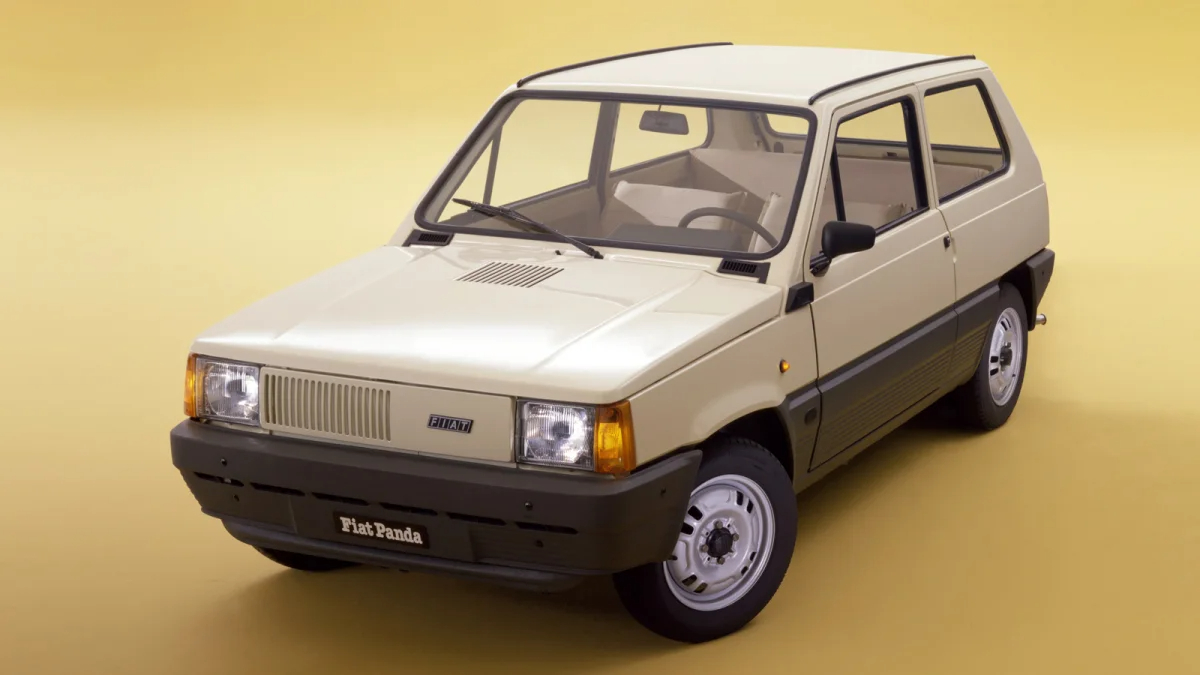
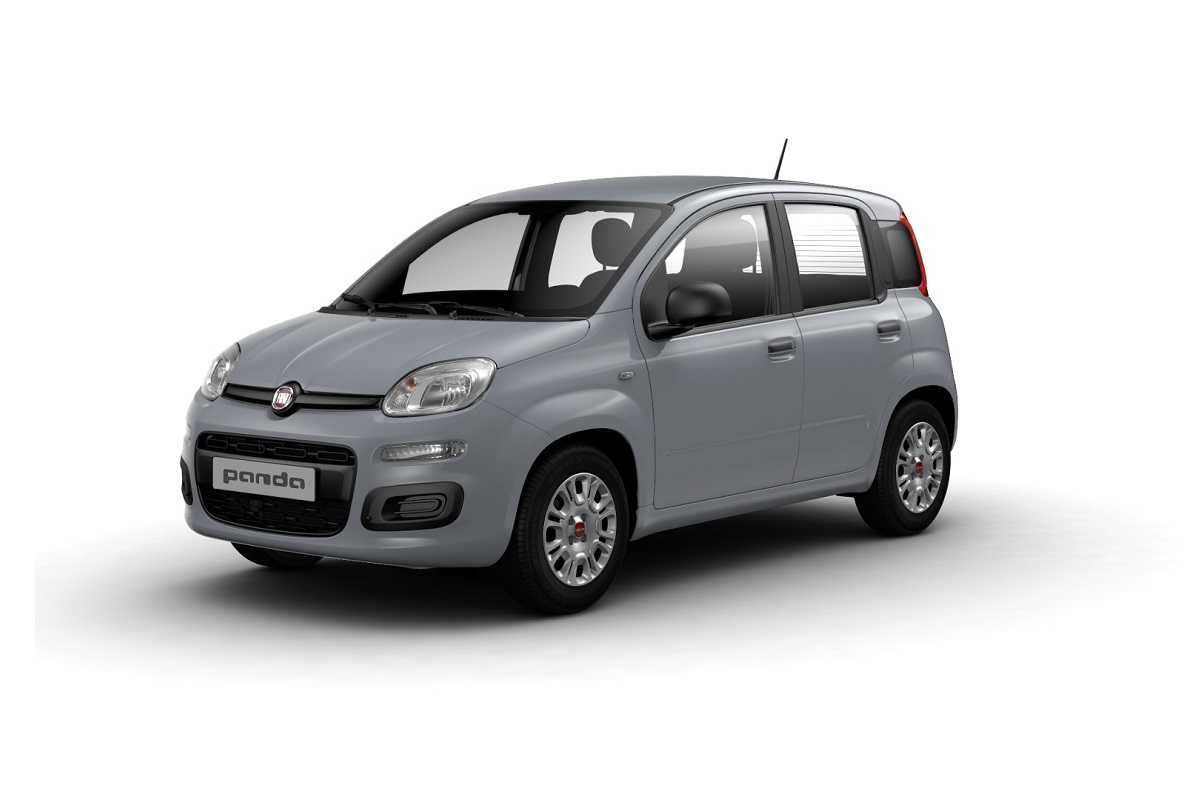
| ▲ | walthamstow a day ago | parent [-] | | Fiat Panda 4x4 too. | | |
| ▲ | nothrabannosir a day ago | parent [-] | | I had a Panda from the early 2010s and that was my exact thought reading this thread: sounds like a fiat panda. Surprised to see this downvoted. Did they change so much? | | |
|
|
|
| ▲ | Earw0rm a day ago | parent | prev | next [-] |
| Citroen Berlingo is basically that. |
|
| ▲ | amelius a day ago | parent | prev | next [-] |
| Well, it requires a different way of thinking but that's exactly how cars will be built if you'd use them via a subscription (fuel included). |
|
| ▲ | threethirtytwo a day ago | parent | prev | next [-] |
| Companies would make less money because consumers just buy a product and keep it for generations if the product quality is THAT good. When companies make less money, there's less jobs. When there's less jobs people have less money to spend on things like Rent. |
|
| ▲ | __turbobrew__ a day ago | parent | prev | next [-] |
| You would get the toyota hilux champ which is not purchasable in rich countries. |
|
| ▲ | ghurtado a day ago | parent | prev | next [-] |
| By now, we would have reached a quality standard of vehicles that are regularly passed down across several generations before they stop being useful. You can quickly see what a mortal sin this would be against our Lord and Savior, Capitalism. |
|
| ▲ | _3u10 a day ago | parent | prev | next [-] |
| But whatever you want Toyota has a 10k truck and a jimmy is 15k, if you need a car a vitz can be had for 12k |
| |
| ▲ | wrigby a day ago | parent [-] | | This comment shines a spotlight on my issues with the US auto market. None of these vehicles are sold in the US, for a variety of reasons - both economic and regulatory. I hate knowing that the vehicles I want to buy both exist and are affordable, but I just can’t have them. Meanwhile, the cars sold in my market are all egregiously enormous, have giant screens inside, etc. This is the very definition of a “first world problem,” but it sure is frustrating. | | |
|
|
| ▲ | wiseowise a day ago | parent | prev [-] |
| Yeah, but how do poor VCs make money then? |
| |
| ▲ | nolok a day ago | parent | next [-] | | Definitely not with a car sold for relatively cheap that has a engine who refuses to die... | |
| ▲ | Aurornis a day ago | parent | prev [-] | | You think VCs fund the world's largest auto makers? |
|