| ▲ | jbm 6 hours ago | |||||||
This is an interesting use of ligatures for sure. However, I really don't know when one would use it. Couldn't you just use Ruby tags for a website? | ||||||||
| ▲ | yorwba 6 hours ago | parent | next [-] | |||||||
When you control the content, I agree that ruby tags would be better, since they can easily handle alternative readings and also enable smarter automation to infer the correct reading from context. But you could set this as the default system font for Japanese and enjoy furigana everywhere, even in places that don't support ruby tags at all. | ||||||||
| ▲ | numpad0 4 hours ago | parent | prev | next [-] | |||||||
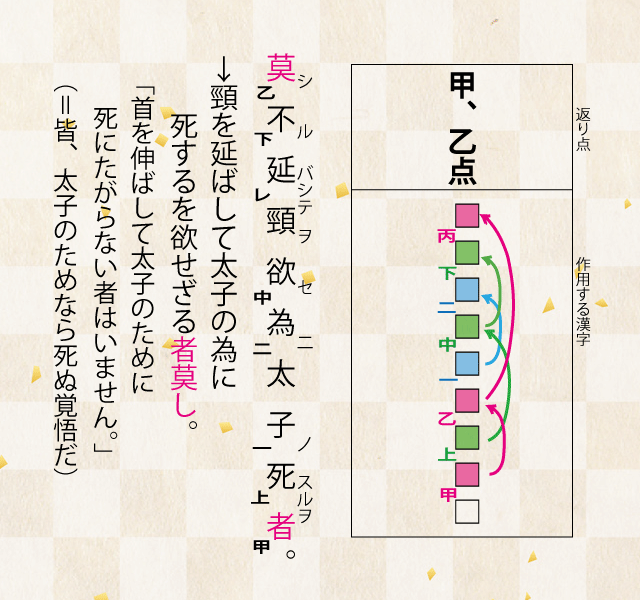
Maybe this is less dependent on rendering engine or easier to use. Or maybe because it could be done and was done. From practicality standpoint, this would not work on unprepared texts, as pronunciation of Japanese words are a bit arbitrary and so correct pronunciations would need to be manually selected for each words. i.e. "maize" could be read "corn". I believe LLMs don't necessarily have good intuition for that, being trained on plain texts. As to how could such a situation could ever manifest: I would blame the fact that the official language of historical Japanese governments having been a really creative interpretation of medieval Chinese[1] sprinkled with labels and jumps and supplements[2][3], resulting in people just accepting wild divergence between literal and spoken Japanese. I'm not a linguist or a language major so I'd happy if anyone could further elaborate... 1: https://en.wikipedia.org/wiki/Kanbun 2: https://youtu.be/_k0I6bi2pYs?t=248 3: https://d1ysbfo9sxjda0.cloudfront.net/wp-content/uploads/201... | ||||||||
| ▲ | guipsp 6 hours ago | parent | prev [-] | |||||||
Why do something manually when it can be done automatically? | ||||||||
| ||||||||