| ▲ | taspeotis 7 hours ago | ||||||||||||||||||||||
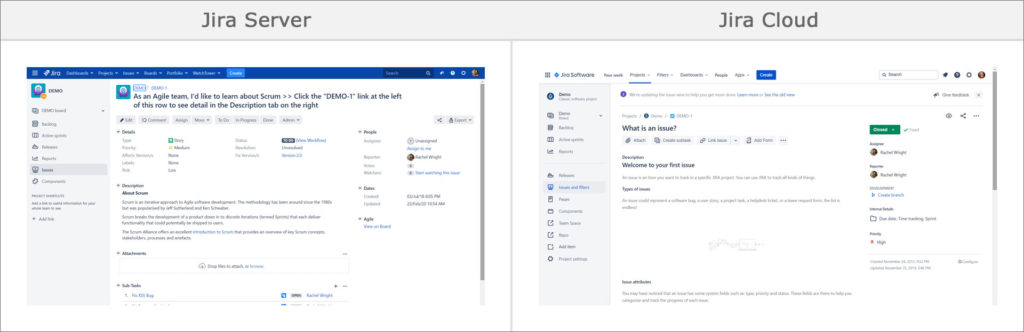
I came back to a workplace, that still used JIRA. Obviously during the interview I was like oh JIRA yeah yeah yeah you still use that? I can use that. Anyway yes, I can use JIRA. But it was a real shock to see the latest version of JIRA. It has a thousand papercuts, one of the worst is double clicking on text select stuff suddenly kicks fields into editor mode. What I was remembering was JIRA Server 4.0, you can walk down memory lane here* - zoom in enough and you'll see each issue has a title, type, fix version, affects version, and so on, and then you end up going straight to the comments. Very straightforward. * https://www.jirastrategy.com/wp-content/uploads/2020/04/depl... | |||||||||||||||||||||||
| ▲ | Topfi 5 hours ago | parent | next [-] | ||||||||||||||||||||||
> Obviously during the interview I was like oh JIRA yeah yeah yeah you still use that? I can use that. Hold up, did I miss something? Fall into a time hole? Why are we talking about Jira like it’s Visicalc? Not currently working for an IT company, so maybe I missed something cataclysmic in the past two years… | |||||||||||||||||||||||
| |||||||||||||||||||||||
| ▲ | zelphirkalt 5 hours ago | parent | prev | next [-] | ||||||||||||||||||||||
About the double click into edit mode: Yes!! So much this! So annoying. Even basic text stuff they get wrong! But you know what a project manager told me ... They _like_ that, because they never use double click drag to select whole words ... ugh. Like always more proficient computer users are dragged down by the convenience for people barely able to use a computer. | |||||||||||||||||||||||
| ▲ | Cockbrand 5 hours ago | parent | prev | next [-] | ||||||||||||||||||||||
My day job doesn't require using Jira or similar tools any more, so from a perspective of genuine curiosity: what's the consensus among entire project teams (not just the nerds) for a better alternative? | |||||||||||||||||||||||
| |||||||||||||||||||||||
| ▲ | IshKebab 6 hours ago | parent | prev [-] | ||||||||||||||||||||||
That version of JIRA could still easily be configured to be awful. That's the main problem with JIRA - the power to actually configure it to be sane is always reserved by a few people who don't want to bother, don't have time and don't care because they aren't really using it every day. Well one of the problems anyway. It's also unimaginably slow, and has weird limitations like issues can't be parents of other issues. | |||||||||||||||||||||||
| |||||||||||||||||||||||