| ▲ | majormajor 7 hours ago | |||||||||||||||||||||||||||||||||||||||||||
Anytime you upgraded from a 4 year old computer to a new one back then - from 16Mhz to 90Mhz, or 75Mhz to 333Mhz, or 333Mhz to 1Ghz, or whatever - it was immediate, it was visceral. SSDs booted faster and launched programs faster and were a very nice change, but they weren't that same sort of night-and-day 80s/90s era change. The software, in those days, was similarly making much bigger leaps every few years. 256 colors to millions, resolution, capabilities (real time spellcheck! a miracle at the time.) A chat app isn't a great comparison. Games are the most extreme example - Sim City to Sim City 2000; Doom to Quake; Unreal Tournament to Battlefield 1942 - but consider also a 1995 web browser vs a 1999 one. | ||||||||||||||||||||||||||||||||||||||||||||
| ▲ | y1n0 4 hours ago | parent | next [-] | |||||||||||||||||||||||||||||||||||||||||||
For me, at 52, I recall the SSD transformation to be near miraculous. I never once felt that way about a CPU upgrade until getting an M1. I went from a cyrix 5x86 133 (which was effectively a fast 486) to a pentium II 266 and it just wasn't that impressive. The drag down of swapping became almost a non-issue with the SSD changeover. I suppose going from a //e to a IIgs was that kind of leap but that was more about the whole computer than a cpu. Now I have to say, swapping to an SSD on my windows machines at work was far less impressive than going to SSD with my macs. I sort of wrote that off as all the anivirus crap that was running. It was very disappointing compared to the transformation on mac. On my macs it was like I suddenly heard the hallelujah chorus when I powered on. | ||||||||||||||||||||||||||||||||||||||||||||
| ||||||||||||||||||||||||||||||||||||||||||||
| ▲ | dlcarrier 6 hours ago | parent | prev | next [-] | |||||||||||||||||||||||||||||||||||||||||||
That's my point, the software was getting bloated at least as fast as the CPUs were getting faster, so you had to upgrade to a new CPU every few years to run the latest software. With SSDs, there was a huge overlap in CPU speeds that may or may not have an SSD, so upgrading to one meant a huge performance boost, within the same set of runnable software. Also, going from Sim City to Sim City 2000 was pre-bloat. Over the course of five years, the new version was significantly better than the original, but they both target the same 486 processor generation, which was brand new when the original SimCity was released, but rather old by the time SimCity 2000 was released. Another five years later, Sim City 3000 added minimal functionality, but required not just a Pentium processor, but a fast one. I guess what I'm getting at is that a faster CPU means programs released after it will run better, but faster storage means that all programs, old and new, will run better. | ||||||||||||||||||||||||||||||||||||||||||||
| ||||||||||||||||||||||||||||||||||||||||||||
| ▲ | nucleardog 7 hours ago | parent | prev | next [-] | |||||||||||||||||||||||||||||||||||||||||||
> SSDs booted faster and launched programs faster and were a very nice change, but they weren't that same sort of night-and-day 80s/90s era change. For me they were. I still remember the first PC I put together for someone with a SSD. I had a quite beefy machine at the time and it would take 30 seconds or more to boot Windows, and around 45s to fully load Photoshop. Built this machine someone with entirely low-end (think like "i3" not "Celeron") components, but it was more than enough for what they wanted it for. It would hit the desktop in around 10 seconds, and photoshop was ready to go in about 2 seconds. (Or thereabouts--I did time it, but I'm remembering numbers from like a decade and a half ago.) For a _lot_ of operations, the SSD made an order of magnitude difference. Blew my mind at the time. | ||||||||||||||||||||||||||||||||||||||||||||
| ||||||||||||||||||||||||||||||||||||||||||||
| ▲ | dep_b 3 hours ago | parent | prev | next [-] | |||||||||||||||||||||||||||||||||||||||||||
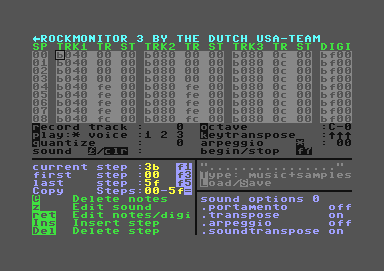
C64 1982 Amiga 1985 Never witnessed anything before or after with that jump in specs | ||||||||||||||||||||||||||||||||||||||||||||
| ▲ | IshKebab 2 hours ago | parent | prev [-] | |||||||||||||||||||||||||||||||||||||||||||
Nah I agree with him. Spinning disks were always a huge bottleneck (remember how long MS Word took to open?) and SSD's basically fixed that overnight. The CPU advancements were big, but software had a chance to "catch up" (i.e. get less efficient) because they it was a gradual change. That didn't really happen with SSDs because the change was so sudden and big. I'd say software never really "caught up" to the general slowness that we had to endure in the HDD era either. Even my 14 year old desktop starts Word in a few seconds compared to upwards of 60s in the 90s. The closest I've seen is the shitty low end Samsung Android tablet we got for our kids. It's soooo slow and laggy. I suspect it's the storage. And that was actually and upgrade over the Amazon Fire tablet we used to have which was so slow it was literally unusable. Again I suspect slow storage is the culprit. | ||||||||||||||||||||||||||||||||||||||||||||