| ▲ | joe_mamba 10 hours ago |
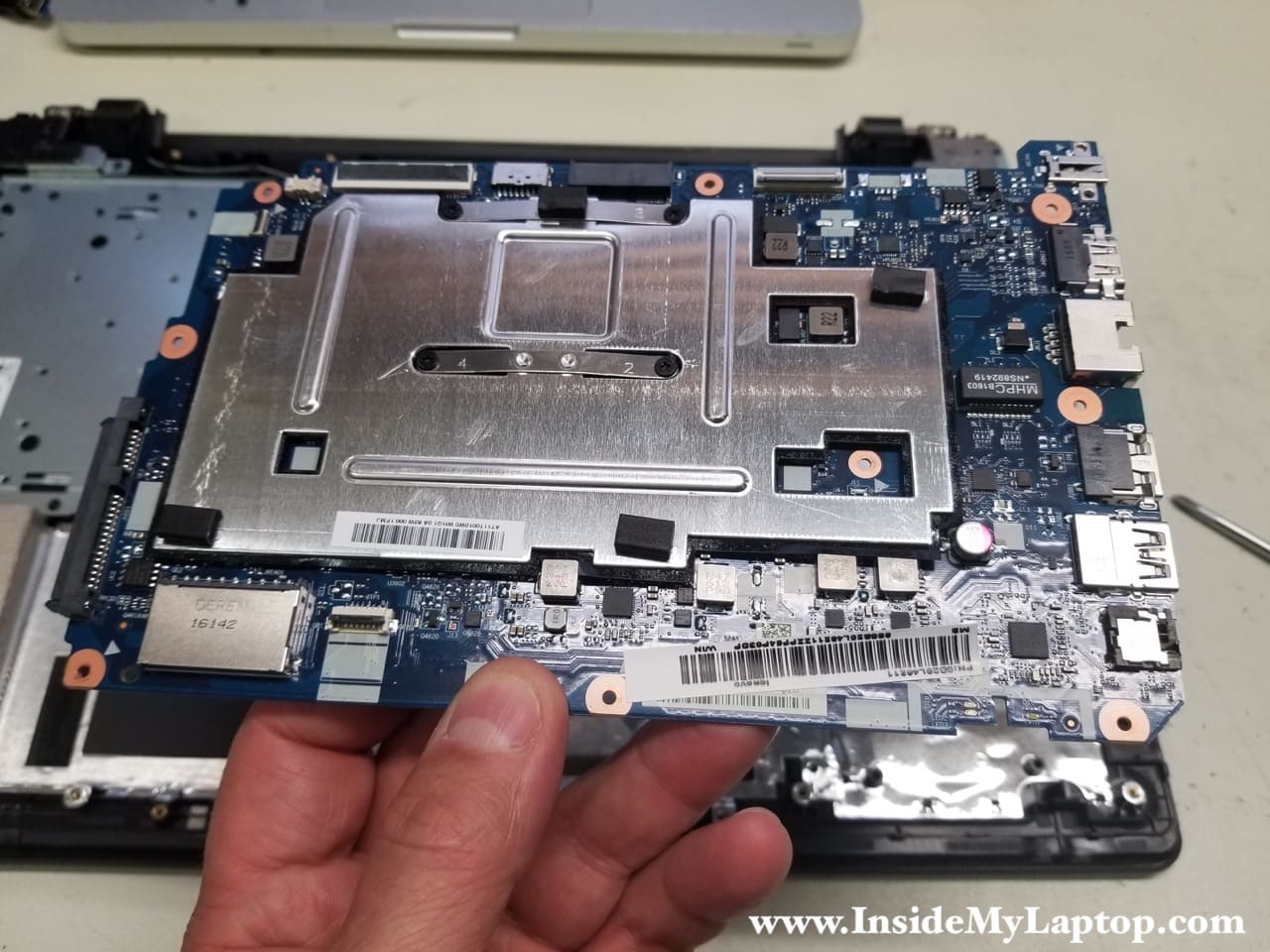
| Yep. RPi foundation lost the plot a long time ago. The original RPi was in a league of its own when it launched since nothing like it existed and it was cheap. But now if I want some low power linux PC replacement with display output, for the price of the latest RPi 5, I can buy on the used market a ~2018 laptop with a 15W quad core CPU, 8GB RAM, 256 NVME and 1080p IPS display, that's orders of magnitude more capable. And if I want a battery powered embedded ARM device for GPIO over WIFI, I can get an ESP32 clone, that's orders of magnitude cheaper. Now RPi at sticker price is only good for commercial users since it's still cheaper than the dedicated industrial embedded boards, which I think is the new market the RPI company caters to. I haven't seen any embedded product company that hasn't incorporate RPis in its products they ship, or at least in their lab/dev/testing stage, so if you can sell your entire production stock to industrial users who will pay top dollar, why bother making less money selling to consumers, just thank them for all the fish. Jensen Huang would approve. |
|
| ▲ | Mashimo 9 hours ago | parent | next [-] |
| I still use Pis in my 3d printers. Laptop would be too big, and a ESP could not run the software. "China clone" might work, but the nice part of the pi is the images available. It just works™ I'm also currently building a small device with 5" touchscreen that can control a midi fx padle of mine. It's just so easy to find images, code and documentation on how to use the GPIO pins. Might be niche, but that is just what the Pi excels at. It's a board for tinkers and it works. |
| |
| ▲ | 05 7 hours ago | parent | next [-] | | You can run Klipper on any Linux SBC with a USB port, RPi works but so does an old router that supports OpenWRT, a cheap Android TV box that could be flashed to run Linux, or any of the OrangePi/Banana Pi/Alliwinner H3 boards. You don't really need hardware UART because most of the printer boards you'd be using have either native USB or USB to UART converters. For that pedal, would an old Android tablet that supports USB OTG work? Because that's got to be much cheaper, and with much better SDK. | | |
| ▲ | Mashimo 7 hours ago | parent [-] | | Correct. But when I looked into it a few years back fir OrangePi it was not as easy as downloading raspbian. All the images made for the pi would not work, you had to download a kernel from another place or something like that? Sorry I don't remember the details, but it was not as easy as a pi. How much cheaper then 50 bucks can a tablet get? With the pi I can quickly in a hacky way connect rotary encoders with female-female dupon cables, use a python GPIO library made for raspberry pi. https://media.discordapp.net/attachments/1461079634354639132... I can also use it for Zynthian. And if I'm done with it, I can build a new printer :P |
| |
| ▲ | joe_mamba 9 hours ago | parent | prev [-] | | Yeah sure, for niche use cases it's the best and only choice, but that's why it now commands niche prices ;) | | |
| ▲ | Mashimo 9 hours ago | parent [-] | | Yeah, Pi 5 2gb is ~20% more expensive compared to pi3b on release, factoring in inflation (Both in including VAT and local prices) It's 10 bucks more. ¯\_(ツ)_/¯ Still half the price that I see intel NUCs for sale. Which of course are way more capable. But still, I don't mind the price that much. I could go with a cheaper alternative, but then AFAIK you might have to fiddle with images, kernel and documentation. For me that is worth 10 bucks. | | |
| ▲ | jasomill 2 hours ago | parent | next [-] | | The main things I use Pis for are 1. Testing images to be deployed on customer Pis. 2. Testing software on ARM64 Linux. Pis are still cheaper than used Apple Silicon Macs, and require less fiddling to run Linux. I currently have a free Oracle Cloud instance that would work just as well for this, but it could go away at any time and it's a PITA to reprovision. 3. Running Mathematica, because it's free on Pi, I only use it a few times a year, and a fully-loaded Pi 5 is cheaper than a single-year personal license to run it on any other platform. 4. Silly stuff like one Pi 3 I have set up to emulate a vintage IBM mainframe. | |
| ▲ | joe_mamba 8 hours ago | parent | prev | next [-] | | >Yeah, Pi 5 2gb is ~20% more expensive compared to pi3b on release, factoring in inflation (Both in including VAT and local prices) I don't really care how it compares to past models or inflation to justify its price tag. I was just comparing to to what you can buy on the used market today for the same price and it gets absolutely dunked on in the value proposition by notebooks since the modern full spec RPi is designed to more of a ARM PC than an cheap embedded board. 60 Euros for 2GB and 100 for 8GB models is kind of a ripoff if you don't really need it for a specific niche use case. I think an updated Pi-zero with 2GB RAM and better CPU stripped of other bells and whistles for 30 Euros max, would be amazing value, and more back to the original roots of cheap and simple server/embedded board that made the first pi sell well. | | |
| ▲ | ssl-3 2 hours ago | parent | next [-] | | That comparison was true back in 2012 when the first version was released, too. Things like used PCs and forgotten closet laptops were running circles around brand-new Raspberry Pi systems, in performance per dollar, for as long as we've had new Raspberry Pis to make that comparison with. Those first Pis didn't even have wifi, and they were as picky about power supplies and stuff back then as a Pi 5 is today. The primary aspects that are new are that the featureset of new models continues to improve, and the price of a bare board has increased by an inflation-adjusted ~$10. (Meanwhile: A bare Pi 3B still costs $35 right now -- same as in 2016. When adjusted for inflation, it has become cheaper. $35 in 2016 is worth about $48 today.) | |
| ▲ | Mashimo 8 hours ago | parent | prev [-] | | A used notebook was also better in price to performance 10 years ago, no? | | |
| ▲ | joe_mamba 8 hours ago | parent [-] | | Yeash, but not as good as an alternative to a PI back then, since 8 year old notebooks 10 years ago (so 18 year old notebooks today) were too bulky and power hungry to be a real alternative. Power bricks were all 90W and CPU TDW was 35-45W. But notebooks from the 2018 era (intel 8th gen) have quite low power chips that make a good PI alternatives nowadays. The mobile and embedded X86 chips have closed the gap a lot in power consumption since the PI first launched. Now you can even get laptops with broken screens for free, and just use their motherboard as a home server alternative to a PI. Power consumption will be a bit higher, but not enough to offset the money you just saved anytime soon. | | |
| ▲ | jasomill 2 hours ago | parent | next [-] | | You can get a 5-year-old laptop with a perfectly working screen for free if you're on good terms with the owner of a company who has a stack of them sitting in a storage closet waiting for disposal. :) Which is basically just cutting out the middlemen in a transaction that might cost $100 on eBay. Used corporate laptops are particularly cost-effective if you're interested in running Windows, as unlike Intel NUCs and most SBC products, they typically include hardware-locked Windows 10 Pro licenses which can be upgraded to Windows 11 Pro for free. | |
| ▲ | kalaksi 5 hours ago | parent | prev [-] | | Laptops are still pretty bulky and power hungry in comparison if you're looking for very SFF and passive cooling. | | |
|
|
| |
| ▲ | hypeatei 5 hours ago | parent | prev [-] | | > Yeah, Pi 5 2gb is ~20% more expensive compared to pi3b What prices are you using for the 3b and 5 to get this percentage? The lowest percentage I got from available data is a 57% increase ($35 -> $55) | | |
| ▲ | Mashimo 4 hours ago | parent [-] | | I added inflation. 40 EUR form 2016 is now ~52 EUR. Compared to 62 EUR for the current model. | | |
| ▲ | pixl97 4 hours ago | parent [-] | | Are you adding in the correct 'RAM' inflation being that it's costs are up dramatically? | | |
| ▲ | Mashimo 4 hours ago | parent [-] | | I just looked up the current local prices I can buy a unit for. |
|
|
|
|
|
|
|
| ▲ | theshrike79 6 hours ago | parent | prev | next [-] |
| I had just gotten into Arduinos when the first Raspberry Pi came out. I noticed I can do 90% of the stuff I'd use an Arduino for with a RPi, except I had the full power of an internet connected Linux machine available. The Arduinos are still collecting dust somewhere =) But now we have the ESP32 filling the same niche along with the Pi Zero W, so I don't really understand the purpose of RPi 4 and 5. They're not cheap compared to the price nor very powerful in any measure. You don't even need a full laptop, any Chinese miniPC will blow the RPi5 out of the water AND some of them have expandable storage+RAM, while also having 5-20x more CPU/GPU oomph. They do consume a few watts more power, so there _might_ be a niche for the Raspberry Pi, but it's not a big one. |
| |
| ▲ | theodric 4 hours ago | parent | next [-] | | You don't buy the Pi for its price: performance as a desktop replacement, you buy it for the incredible stability of the platform as a target, the support, and the addon ecosystem. If you want to screw around with taking a motherboard out of a laptop, go right ahead. €160 for a 16GB Pi5 that I know for sure will be available, replaceable, and supported for the next decade is more than worth the small investment. | |
| ▲ | pibaker 2 hours ago | parent | prev [-] | | > I don't really understand the purpose of RPi 4 and 5. They're not cheap compared to the price nor very powerful in any measure. They are good for commercial installations like smart displays in stores (think big screens with menus behind fast food counters) and information kiosks. The extra HDMI port lets you drive two screens with one pi and the extra processing power keeps the UI smooth on high resolution. They also have hardware acceleration video decoding for shops wishing to play hi res promo videos and hobbyists building media terminals. Cost is not a major concern here because the installation volume is low and there are far bigger expenses anyway. Just take a look at how much commercial displays are. The Pi company’s future supply guarantee is also nice because you know that within a given number of years if something breaks or you need another screen, you can just buy another identical pi and be done with it. Good luck sourcing a Chinese mini pc with compatible footprints, port orientations etc five years down the road. |
|
|
| ▲ | pipes 7 hours ago | parent | prev | next [-] |
| I'd love to buy a 500+ https://www.raspberrypi.com/products/raspberry-pi-500-plus/ I can't justify it though as I've no use for it. However I think it is way closer to their original vision than anything else, i.e. It is a lot like the 1980s computers, the magic they were trying to capture. |
| |
| ▲ | theshrike79 6 hours ago | parent [-] | | I love the idea, but the price/power ratio is just a teeeny bit on the expensive side for me. For 100€ that would be something I'd buy for every niece and nephew to play with. For 200€ it's not even for me, I'd rather buy something like the uConsole RPI-CM4: https://www.clockworkpi.com/product-page/uconsole-kit-rpi-cm... | | |
| ▲ | patjensen 2 hours ago | parent [-] | | Clockwork Pi experience with the CM4 is not good. 10 months to ship. Horrible Wifi performance, can't hold a link, and it only has around 50 minutes of battery life. I regret my purchase and it's sitting in my rack next to a bunch of old ham radios. | | |
| ▲ | M95D 17 minutes ago | parent | next [-] | | Sell it on ebay to one of those people that have to wait 10 months, instead of letting it rot on a shelf? | |
| ▲ | theshrike79 40 minutes ago | parent | prev [-] | | It’s still more up my alley than the pi 500 |
|
|
|
|
| ▲ | haunter 10 hours ago | parent | prev | next [-] |
| Not just laptops but the used enterprise micro PCs from Dell, HP, and Lenovo. All the same small form factor with very low TDP You can have up to 32 or 64 GB RAMs depending on the CPU, dual
or even triple disks if you want a NAS etc. |
| |
| ▲ | Mashimo 10 hours ago | parent | next [-] | | I have seen quite a few the size of a Mac Studio / Intel Nuc, what are the device called that are the size of a pi? | |
| ▲ | joe_mamba 10 hours ago | parent | prev [-] | | yeah, depends on what the used market looks like where you live. Here I see way more laptops for sale for cheap than those enterprise thin clients. And the thin clients when they are for sale tend to have their SSDs ripped out by IT for data security, so then it's a hassle to go out and buy and extra SSD, compared to just buying a used laptop that already comes with display , keyboard, etc. |
|
|
| ▲ | worldsavior 6 hours ago | parent | prev | next [-] |
| RPi supporting Linux is already a big benefit. Using a laptop with a battery isn't very convenient and dangerous (always being charged). |
| |
|
| ▲ | u8080 8 hours ago | parent | prev | next [-] |
| There are also N100/N150 SBC offers which are superior to RPi |
|
| ▲ | cyberax 9 hours ago | parent | prev | next [-] |
| RPi will still have lower power consumption and is far more compact. And mechanically reliable. I'm in the market to replace my aging Intel NUCs, but RPi is still cheaper. |
| |
| ▲ | nl 7 hours ago | parent | next [-] | | I got a fanless Celeron N4020 4GB RAM 64G Storage new on Amazon for under $150 in Jan 2025, and it has been running home assistant ever since. I don't think I could a RPi as cheaply once parts and power supply etc are taken into account. | | |
| ▲ | overfeed 2 hours ago | parent [-] | | > I don't think I could a RPi as cheaply once parts and power supply etc are taken into account The RPi Zero 2W costs $15 and runs HA just fine. One can splurge on a pricey case, microSD, and high-amp GAN charger, and still be under 50% of your spend. You don't have to buy the flagship RPi. | | |
| ▲ | Dr4kn 2 minutes ago | parent [-] | | 500MB is just not enough RAM for a good HA experience. I would go with at least 2GB. If you have a few add-ons running I would go with 4 or more. If it's an option I would always go with an SSD for HA. It makes a big difference in usability. Writing often and a lot to SD cards, like HA does, kills them way too fast |
|
| |
| ▲ | joe_mamba 8 hours ago | parent | prev | next [-] | | > And mechanically reliable. What moving parts do competitors have to be less mechanically reliable? In fact, a NUC or used laptop would be even more reliable since you can replace NVME storage and RAM sticks. If your RPI ram goes bad you're shit out of luck. >RPi will still have lower power consumption and is far more compact. Not that big of on an issue in most home user cases as a home server, emulator or PC replacement. For industrial users where space, power usage and heat is limited, definitely. >I'm in the market to replace my aging Intel NUCs, but RPi is still cheaper. Cheaper if you ignore much lower performance and versatility vs a X86_X64 NUC as a home server. | | |
| ▲ | kalaksi 4 hours ago | parent [-] | | It feels like you think that the parent hasn't really considered their options and don't know what they really want. > Not that big of on an issue in most home user cases as a home server I don't know what "most home users" want, but I can understand wanting something more compact and efficient (also easier to keep cool in tighter or closed spaces), even at home. > Cheaper if you ignore much lower performance and versatility vs a X86_X64 NUC as a home server. Or maybe they noticed they don't need all the performance and versatility. Been there. It's plenty versatile and can run everything I need. |
| |
| ▲ | noodlesUK 8 hours ago | parent | prev | next [-] | | I agree completely - the NUC segment has a gaping hole post 2023, and faster raspberry pis can probably fill a lot of it especially for small scale commercial stuff. | | |
| ▲ | nirav72 4 hours ago | parent [-] | | >the NUC segment has a gaping hole post 2023 There are dozens and dozens of NUC style / form factor machines available these days. Especially cheap ones from China. Not sure what you mean by gaping hole post 2023. I'm running 3 of them with N97 and N150 Cpus. All bought within the last 18 months. |
| |
| ▲ | zer00eyz 3 hours ago | parent | prev [-] | | Its not Go price out a used 1l form factor PC. After you buy a case, and a real disk, the pi, cost savings is gone. Meanwhile you can pick up a used 8th gen intel 1L form factor for about 100 bucks. You can pick up one that will take a PICE card for 150ish bucks, with remote management. The 8th gen or better intel has all sorts of extra features that may make it worth while (transcoding/video support). |
|
|
| ▲ | systemtest 7 hours ago | parent | prev | next [-] |
| In The Netherlands the first generation RPi was only sold to users with a Chambers of Commerce registration, I figured this was always the typical end user for it. Like schools, universities, prototyping for companies. Was the RPi in the rest of the world targeted towards home users? * https://tweakers.net/nieuws/80350/verkoop-goedkoop-arm-syste... |
| |
| ▲ | firesteelrain 7 hours ago | parent | next [-] | | Yes, anyone can buy it. | |
| ▲ | microtonal 7 hours ago | parent | prev [-] | | What? I ordered the original Pi in May 2012 from Farnell/Element14 without a Chamber of Commerce registration (KvK nummer). A couple of my colleagues did too. | | |
| ▲ | systemtest 6 hours ago | parent | next [-] | | Yes they changed it after a while so people without a CoC/KvK could also purchase them. But initially only companies and institutions could buy them. | |
| ▲ | tirant 6 hours ago | parent | prev [-] | | Same here. Also bought one in NL back then without issues. | | |
| ▲ | systemtest 6 hours ago | parent [-] | | That was only possible with a KvK registration back then. They changed it after a while so that end consumers could buy one directly. |
|
|
|
|
| ▲ | qsera 10 hours ago | parent | prev [-] |
| >I can buy on the used market a ~2018 laptop with a 15W quad core CPU, 8GB RAM, 256 NVME and 1080p IPS display, that's orders of magnitude more capable.. But it won't be as reliable, mostly motherboards won't last long. |
| |
| ▲ | joe_mamba 10 hours ago | parent | next [-] | | Don't know what your source is for that, but that's not my experience, and i've had dozens of laptops through my hands due to my hobby. The ticking timebomb lemons with reliability or design issues, will just die in the first 2-4 years like clockwork, but if they've already survived 6+ years without any faults, they'll most likely be reliable from then on as well. | | |
| ▲ | qsera 8 hours ago | parent | next [-] | | >survived 6+ years without any faults, they'll most likely be reliable from then on as well Ok, let us say they ll last 4 more years, so 10 years total lifespan. A PI would last a lot longer. | | |
| ▲ | joe_mamba 8 hours ago | parent | next [-] | | >let us say they ll last 4 more years Why not 50 more years if we're just making up numbers? I still have an IBM thinkpad from 2006 in my possession with everything working. I also see people with Macbooks from the era with the light up apple logo in the wild and at DJs. >A PI would last a lot longer. Because you say so? OK, sure. | | |
| ▲ | qsera 7 hours ago | parent [-] | | In your comment you didn't say Apple computers or Thinkpads. Those are different. I was talking about plain old vanilla business class laptop (because we are talking about raspberry alternative). | | |
| ▲ | joe_mamba 5 hours ago | parent | next [-] | | You're contradicting yourself | | |
| ▲ | qsera 4 hours ago | parent [-] | | I was referring to your original comment >I can buy on the used market a ~2018 laptop with a 15W quad core CPU, 8GB RAM, 256 NVME and 1080p IPS display, that's orders of magnitude more capable.. |
| |
| ▲ | close04 4 hours ago | parent | prev [-] | | I have computers that are ~20 years or even more and still work fine. My main computer which I just replaced is ~14 years old (with some components even older than that), was used every single day, and is now a perfectly functioning server. I have stacks of SFFs and minipcs from eBay going back to 2008 but most from 2012-2015, which have been running virtually uninterrupted for a decade, and still working fine. I have several laptops from different OEMs, business and consumer lines, that are as old as 2008 and have been used regularly for at least 10 years, all still fine. I understand what you're saying but saying it isn't enough. There's nothing to support your claim. |
|
| |
| ▲ | gambiting 8 hours ago | parent | prev [-] | | What makes you think so? Just a feeling? A Vibe? | | |
| ▲ | qsera 8 hours ago | parent [-] | | About what exactly.. | | |
| ▲ | gambiting 7 hours ago | parent [-] | | That if a laptop is 6 years old it will only last 4 more years. Or that a Pi will last more than 10. | | |
| ▲ | qsera 6 hours ago | parent | next [-] | | If it is a generic laptop, yes. 10 years is a stretch. Components used in the motherboard are probably not high quality enough to last more than 10 years. A manufacturer does not have an incentive to put high quality stuff (that is probably costlier) in a laptop who's only selling point is cheap for the "features", and not reliability or longevity.. One might get lucky with such a laptop, but I won't count on it. | | |
| ▲ | jasomill 2 hours ago | parent | next [-] | | Sure, but $200 on eBay will get you something along the lines of a Dell Latitude, with decent build quality, cost-optimized more than a flagship workstation-class laptop, but certainly not designed to squeeze out the last penny at the expense of reliability or repairability like the cheapest consumer models. And if you buy a 5-year-old corporate laptop in very good condition with minimal visible wear on the keyboard and touchpad, it was likely only used as a desktop replacement connected to a dock, so unlikely to have suffered abuse not apparent from visual inspection alone. If you're planning to use it as an actual laptop, price out a replacement battery before purchase, as battery capacity will degrade over time, even if the laptop is exclusively used on AC, so will always be something of a crapshoot. Otherwise, I'd expect the rate of component failure to be no higher than for any other lightly-used laptop of similar vintage, which is low. | |
| ▲ | boomlinde 5 hours ago | parent | prev | next [-] | | What makes you assume that the Raspberry Pi is using higher quality components? | | |
| ▲ | qsera 4 hours ago | parent [-] | | One thing is that Raspberry PI have a fewer of them. So less chance of one becoming faulty. Regarding higher quality components, I think the for the usecase (I mean the kinds of thing it is supposed to be used for) of Raspberry PI, reliability is more important. This also matches with my experience. | | |
| ▲ | boomlinde 3 hours ago | parent [-] | | > Regarding higher quality components, I think the for the usecase (I mean the kinds of thing it is supposed to be used for) of Raspberry PI, reliability is more important. That you think that reliability is more important for a Raspberry Pi usecase than a laptop doesn't somehow magically make it a fact that its components are of higher quality than your average laptop. You only speculate and then speculate further on the basis of your original speculation. That's not how you arrive at a basis for a factual claim or an estimate. |
|
| |
| ▲ | gambiting 5 hours ago | parent | prev [-] | | Again, is that just a feeling, or do you have some data to actually show this. In my experience even old basic Acer laptops easily last more than 10 years, probably without the battery and married to the charger forever now, but they will work fine. But I don't go on the internet and tell everyone laptops last most than 10 years just because I know of a few Acers lasting that. Likewise, do you have any statistics on longevity of Raspberry Pis. |
| |
| ▲ | pixl97 4 hours ago | parent | prev [-] | | Is it a fanless laptop? Fans aren't any different than filters in cars. They fail and need replaced. |
|
|
|
| |
| ▲ | ForHackernews 9 hours ago | parent | prev [-] | | Bathtub curve is extremely common https://en.wikipedia.org/wiki/Bathtub_curve |
| |
| ▲ | shakna 7 hours ago | parent | prev [-] | | 3-5 years for a cheap laptop [0]. 3-5 years of office use for a Pi. [1] Sure, there's other numbers to find as well, but I'd suggest that they're pretty comparable in the way they handle environments. If one would fail, so would the other. [0] https://pcpatching.com/2025/11/extend-your-pcs-life-how-long... [1] https://raspberrypicase.com/how-long-does-a-raspberry-pi-las... |
|