| ▲ | joe_mamba 8 hours ago | |||||||||||||||||||||||||||||||
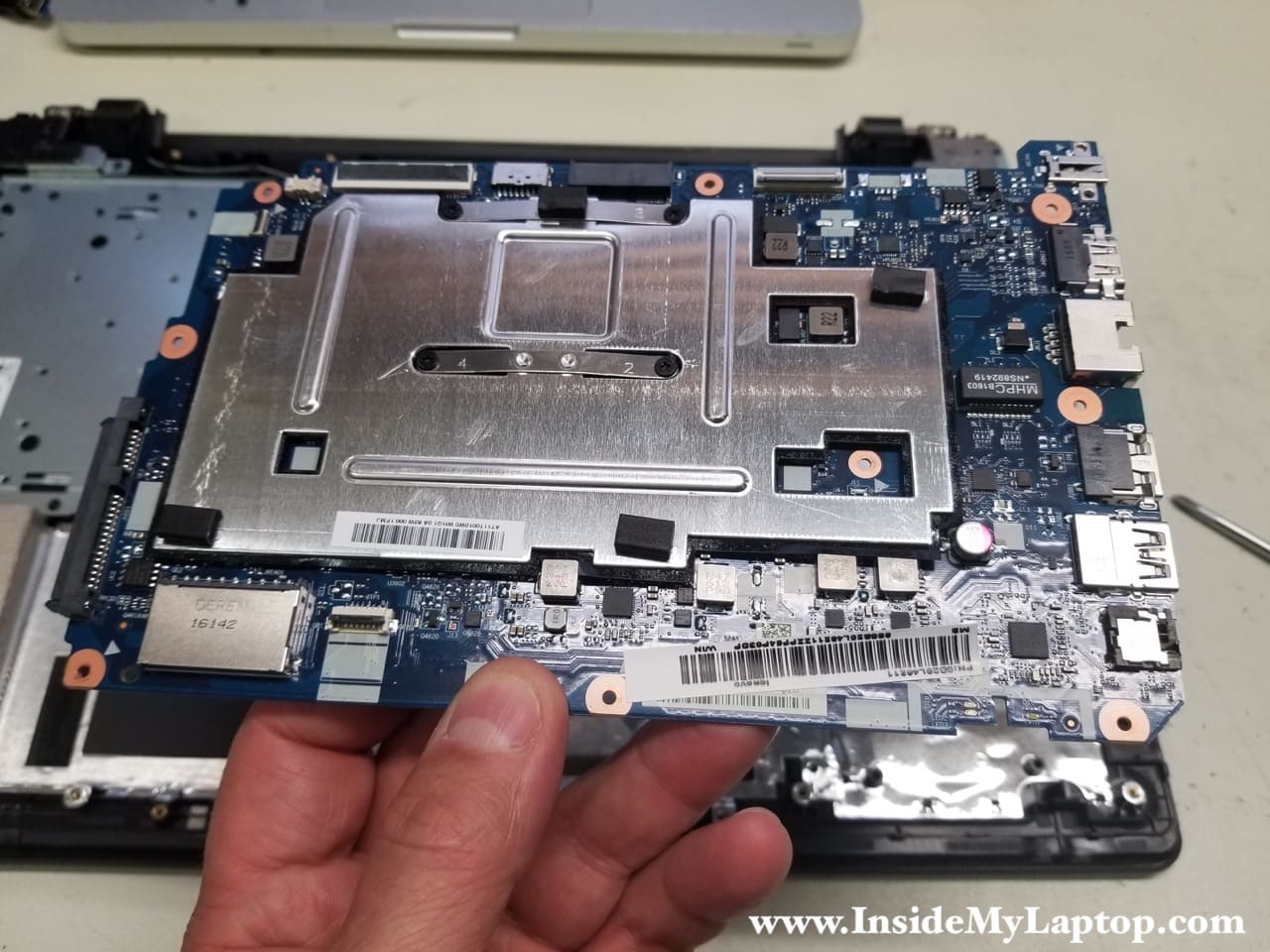
>Yeah, Pi 5 2gb is ~20% more expensive compared to pi3b on release, factoring in inflation (Both in including VAT and local prices) I don't really care how it compares to past models or inflation to justify its price tag. I was just comparing to to what you can buy on the used market today for the same price and it gets absolutely dunked on in the value proposition by notebooks since the modern full spec RPi is designed to more of a ARM PC than an cheap embedded board. 60 Euros for 2GB and 100 for 8GB models is kind of a ripoff if you don't really need it for a specific niche use case. I think an updated Pi-zero with 2GB RAM and better CPU stripped of other bells and whistles for 30 Euros max, would be amazing value, and more back to the original roots of cheap and simple server/embedded board that made the first pi sell well. | ||||||||||||||||||||||||||||||||
| ▲ | ssl-3 2 hours ago | parent | next [-] | |||||||||||||||||||||||||||||||
That comparison was true back in 2012 when the first version was released, too. Things like used PCs and forgotten closet laptops were running circles around brand-new Raspberry Pi systems, in performance per dollar, for as long as we've had new Raspberry Pis to make that comparison with. Those first Pis didn't even have wifi, and they were as picky about power supplies and stuff back then as a Pi 5 is today. The primary aspects that are new are that the featureset of new models continues to improve, and the price of a bare board has increased by an inflation-adjusted ~$10. (Meanwhile: A bare Pi 3B still costs $35 right now -- same as in 2016. When adjusted for inflation, it has become cheaper. $35 in 2016 is worth about $48 today.) | ||||||||||||||||||||||||||||||||
| ▲ | Mashimo 8 hours ago | parent | prev [-] | |||||||||||||||||||||||||||||||
A used notebook was also better in price to performance 10 years ago, no? | ||||||||||||||||||||||||||||||||
| ||||||||||||||||||||||||||||||||