| ▲ | wmf a day ago | |||||||||||||||||||||||||||||||||||||||||||
rad-hard silicon ... or just silently accept wrong results, hardware lockups and permanent failure Somehow I don't think those are the only options. AFAIK Starlink is using a lot of non-rad-hard silicon already. | ||||||||||||||||||||||||||||||||||||||||||||
| ▲ | danpalmer a day ago | parent | next [-] | |||||||||||||||||||||||||||||||||||||||||||
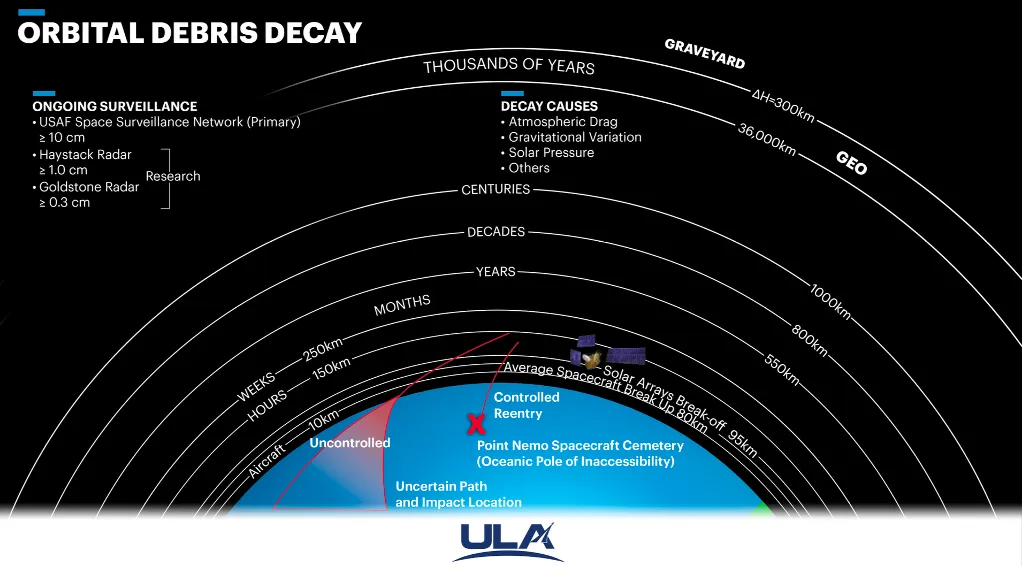
Starlink is however operating at ~500km where radiation is less of a concern, but where the lifetime of a satellite is only 2-3 years. The unit economics of orbital GPUs suggest that we'll need to run them for much longer than that. This is actually one of the few good points of orbital data centers, normally older hardware is cycled out because it's not economic to run anymore due to power efficiency improvements, but if your power is "free" and you've already got sufficient solar power onboard for the compute, you can just keep running old compute as long as you can keep the satellite up there. | ||||||||||||||||||||||||||||||||||||||||||||
| ||||||||||||||||||||||||||||||||||||||||||||
| ▲ | johnsmith1840 a day ago | parent | prev | next [-] | |||||||||||||||||||||||||||||||||||||||||||
My understanding is non rad hardened method get around this by basically doubling or some multiple of repeating calculations and chexking data often. Random errors will occur you just need to be checking fast enough to fix and update that bad bit flip. I am sure there's all sorts of fun algorithms in this space but I am under the impression there is SOME tax to doing this. What is the tax? Is it 10% ir 60% I have no idea would love to know! | ||||||||||||||||||||||||||||||||||||||||||||
| ||||||||||||||||||||||||||||||||||||||||||||
| ▲ | notahacker a day ago | parent | prev | next [-] | |||||||||||||||||||||||||||||||||||||||||||
Your other options of fault tolerance typically achieved by doing everything at least twice and being willing to reboot (and accepting attrition from total ionizing radiation) or lots of shielding are fine for building functioning space hardware but suboptimal for building datacentre business models... | ||||||||||||||||||||||||||||||||||||||||||||
| ▲ | enderfusion 21 hours ago | parent | prev | next [-] | |||||||||||||||||||||||||||||||||||||||||||
The radiation effects on the silicon solar cells is often underestimated, it's not just the GPUs! | ||||||||||||||||||||||||||||||||||||||||||||
| ▲ | tekno45 a day ago | parent | prev [-] | |||||||||||||||||||||||||||||||||||||||||||
they throw those satellites to a fiery doom on a regular cadence. | ||||||||||||||||||||||||||||||||||||||||||||