| ▲ | cogman10 4 hours ago | |||||||||||||||||||
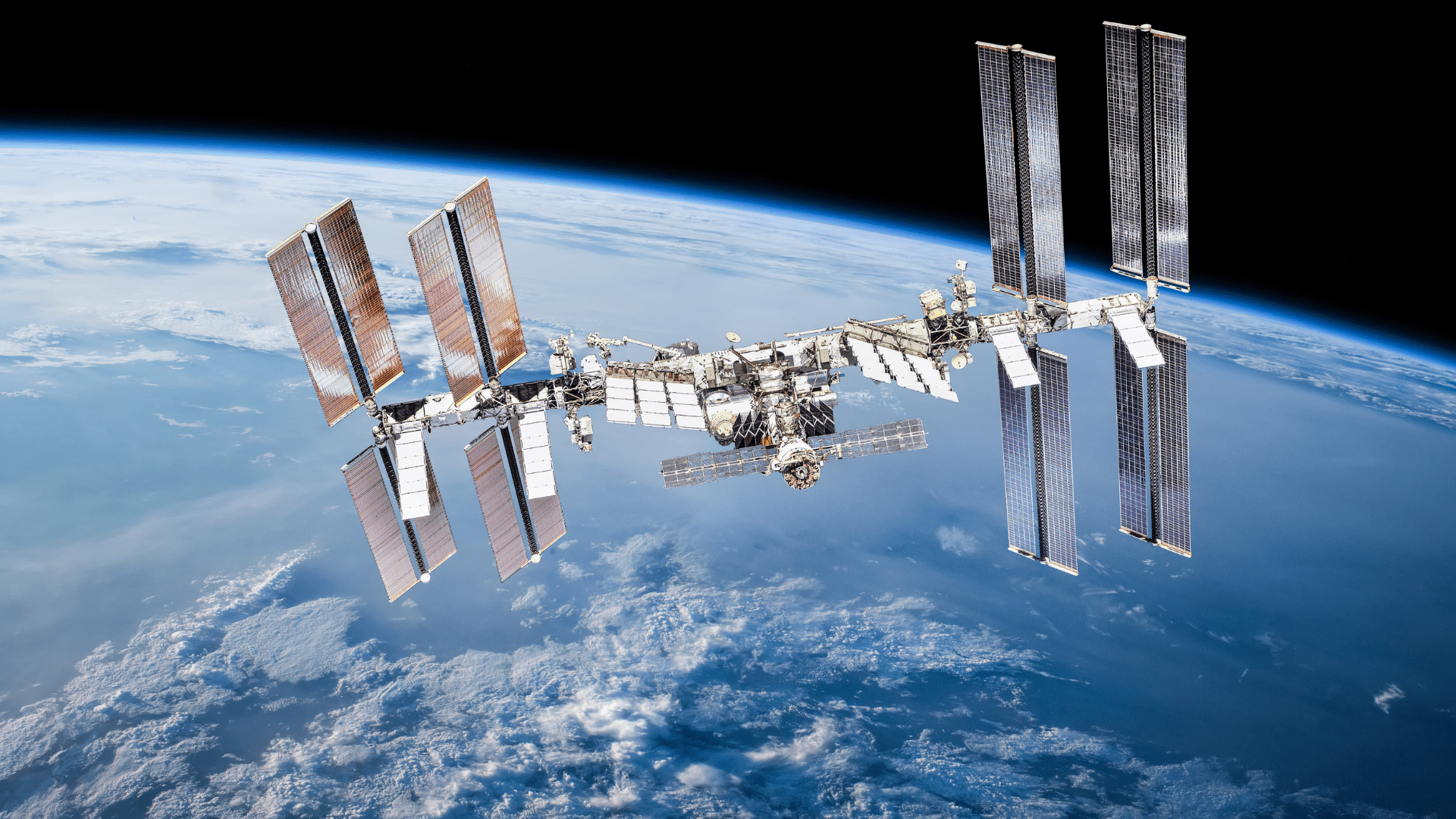
This is the sort of thing that highlights why space is such a dumb place to put a DC. Everything about storing a DC underwater is easier than it is in space (except corrosion). It's easier to access, cheaper, easier to cool, easier to get enough power, easier to update. Heck, doing a second story data-center resolves a ton of issues with today's data-centers (while being a bit more expensive due to additional structural support requirements). There are so many options for terrestrial DCs to overcome whatever problem space might supposedly solve, and they are all cheaper than the space solution. | ||||||||||||||||||||
| ▲ | chmod775 4 hours ago | parent | next [-] | |||||||||||||||||||
> except corrosion Spacecraft in LEO deal with corrosion from - among other causes - atomic oxygen atoms up there, which are eager to cause oxidation in almost anything they come in contact with. The rate of this can be greater than on Earth's surface, though I'm not sure how oceans compare for corrosion. Overall it's probably true that it's less of an issue than with sea water, but it's not a nonissue either. | ||||||||||||||||||||
| ▲ | dgoldstein0 4 hours ago | parent | prev [-] | |||||||||||||||||||
how is power easier? solar power in orbit seems like a no-brainer - no losses due to the atmosphere / weather, and with the right orbit you can get sun all the time. Was the ocean DC tide-powered or something? how does that compare? | ||||||||||||||||||||
| ||||||||||||||||||||