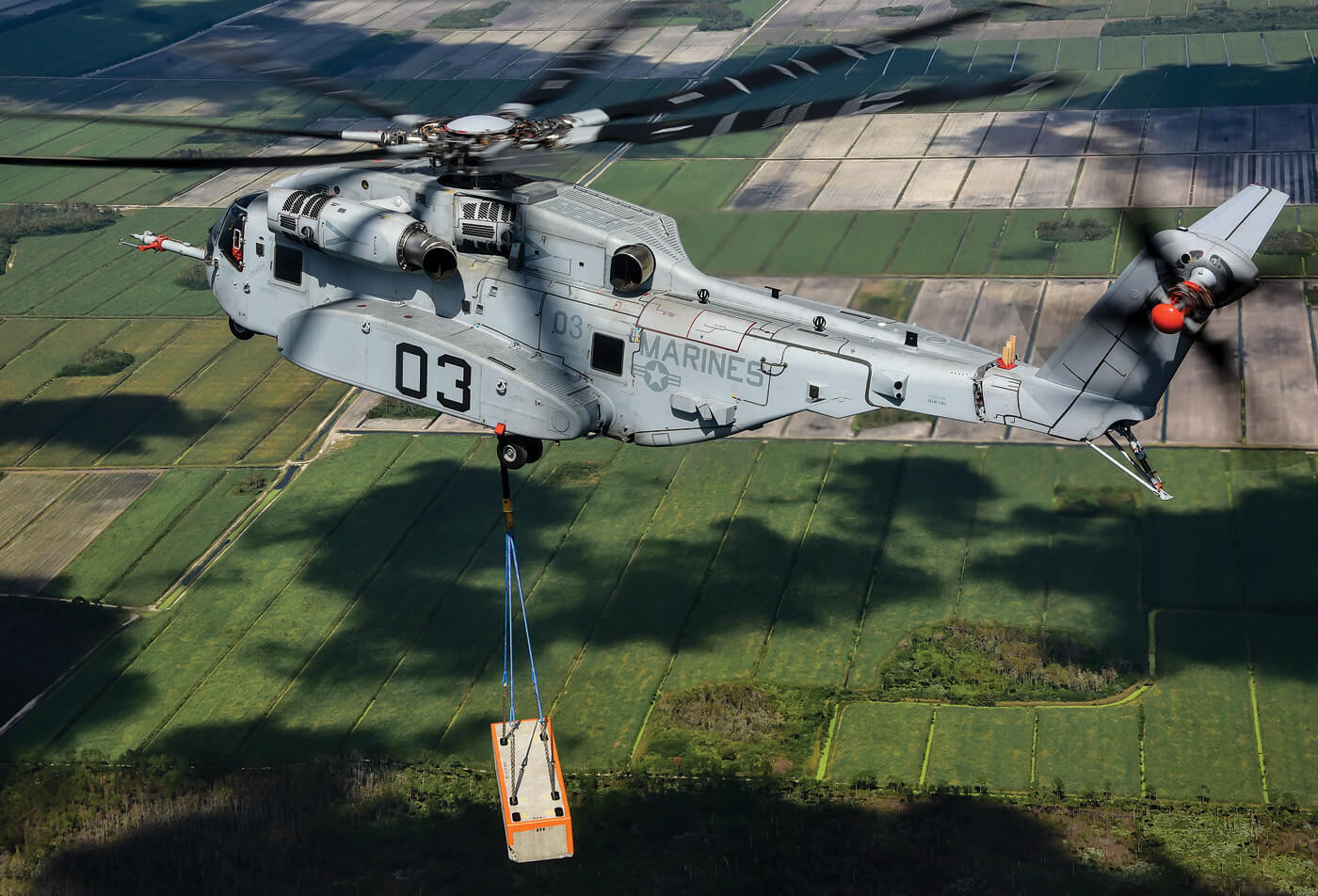
| ▲ | The Helicopter with Radioactive Blades(hackaday.com) | ||||||||||||||||
| 50 points by zdw a day ago | 9 comments | |||||||||||||||||
| ▲ | 46Bit 42 minutes ago | parent | next [-] | ||||||||||||||||
The article is very vague on how the radioactivity allows detection of leaking gas. The video at the bottom explains from 7:50 in. Gas pressure pressing on a spring holds a radiation shield in place. If the gas leaks the shield moves and the radiation can be detected. | |||||||||||||||||
| |||||||||||||||||
| ▲ | patwolf 27 minutes ago | parent | prev | next [-] | ||||||||||||||||
Often in software development I encounter code that seems overly complex. It's not always obvious at first glance whether that complexity is because it's solving a really difficult problem, or because the developers made it more complex than it needed to be. Having no domain knowledge of the problems of detecting cracks in blades, this sounds like either a genius solution to a super hard problem, or unnecessary complexity. | |||||||||||||||||
| |||||||||||||||||
| ▲ | vova_hn2 29 minutes ago | parent | prev | next [-] | ||||||||||||||||
What if the helicopter would have to operate in a contaminated area? Wouldn't it cause false positives? > The CH-53 Sea Stallion first entered service in 1966 1966 is Cold War era, so, I think, an idea that a military helicopter would have to fly in an area that has been recently nuked wasn't totally inconceivable... | |||||||||||||||||
| |||||||||||||||||
| ▲ | fluorinerocket 27 minutes ago | parent | prev [-] | ||||||||||||||||
Terrible explanation | |||||||||||||||||