| ▲ | paimapi 12 hours ago | |
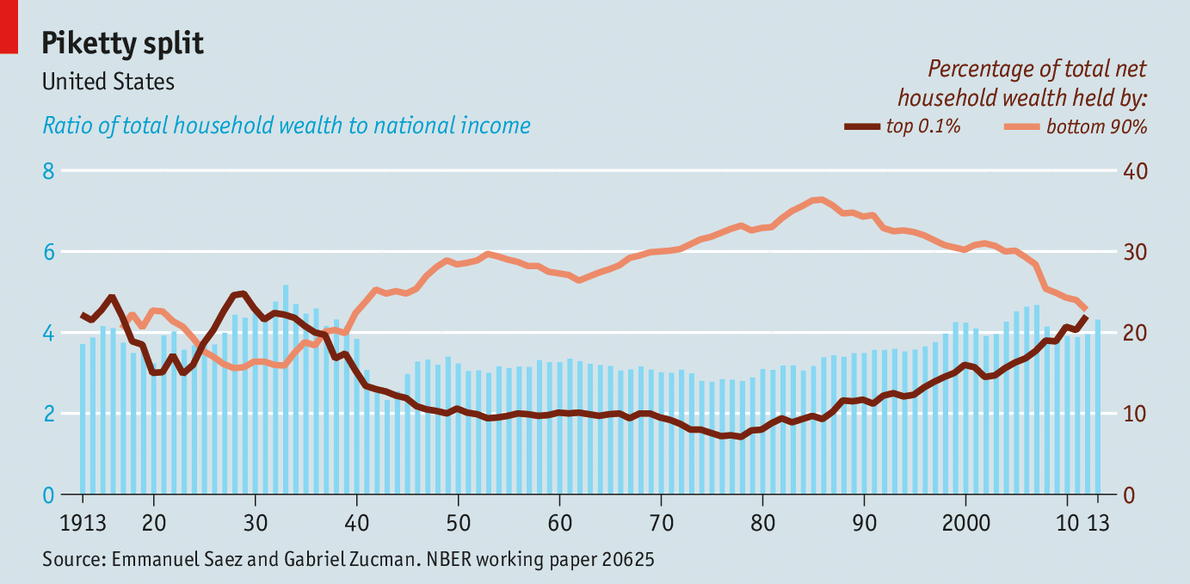
my partner is a psychiatrist (that's the one with an MD) in our household we treat all overly broad, trendy statements like this one with a huge grain of salt the difference between rates of diagnosed major depressive disorder (MDD) vs the past has much more to do with a combination of the diagnostic criteria being refined [1] over the years and the increase of screening [2] during your annual checkup (something physicians were recommended against doing as late as the 90s). you know how your PCP asks you now how you're feeling, if you've had thoughts of self-harm, had any loss in appetite, or have given up your hobbies? that's the one if you need to blame it on a social trend, there's a sharp correlation between the rates of suicide in the USA [3] with the transfer of wealth from the bottom 90% of people to the top 1% [4]. as they say, correlation is not causation but it is one of the best indications that it might be. smarter and much better trained people than I can probably do the in-depth research and analysis needed to make that claim [1] https://www.ncbi.nlm.nih.gov/books/NBK519712/table/ch3.t5/ [2] https://pmc.ncbi.nlm.nih.gov/articles/PMC3291670/ [3] https://www.cdc.gov/suicide/data/index.html [4] http://blog.oxfamamerica.org.s3.amazonaws.com/politicsofpove... | ||
| ▲ | jrapdx3 11 hours ago | parent [-] | |
MDD is the "bread and butter" of psychiatric practice. I'm not really sure how much that's changed over decades. Of course, depression treatment options have evolved greatly since the late 80s, truly a blessing. You're probably right that increased awareness, reduced stigma and improved attention to diagnosis play a role in apparent population rate increase. Interesting how the comments here put forth quite a few "theories" regarding sources of the increase. AFAIK there's no definitive explanation of the observation. In passing we should note that many other psychiatric conditions have parallel rising incidences. The factors you cite apply to those conditions as well. Psychiatric conditions in general are very complex, with associations to a wide array of factors. Most likely many small contributors add up to vulnerability to one or more of these conditions. Our brains are constructed to prefer lumping things into simpler categories. What we call MDD clearly enough is not a unitary disease but outcome of a messy set of myriad "causes" diagnostically lumped together. The progress made in identifying and treating psychiatric disorders is impressive and gratifying. The more we accept the messy reality, the greater the level of progress we'll make. | ||