| ▲ | faangguyindia 3 hours ago | |||||||
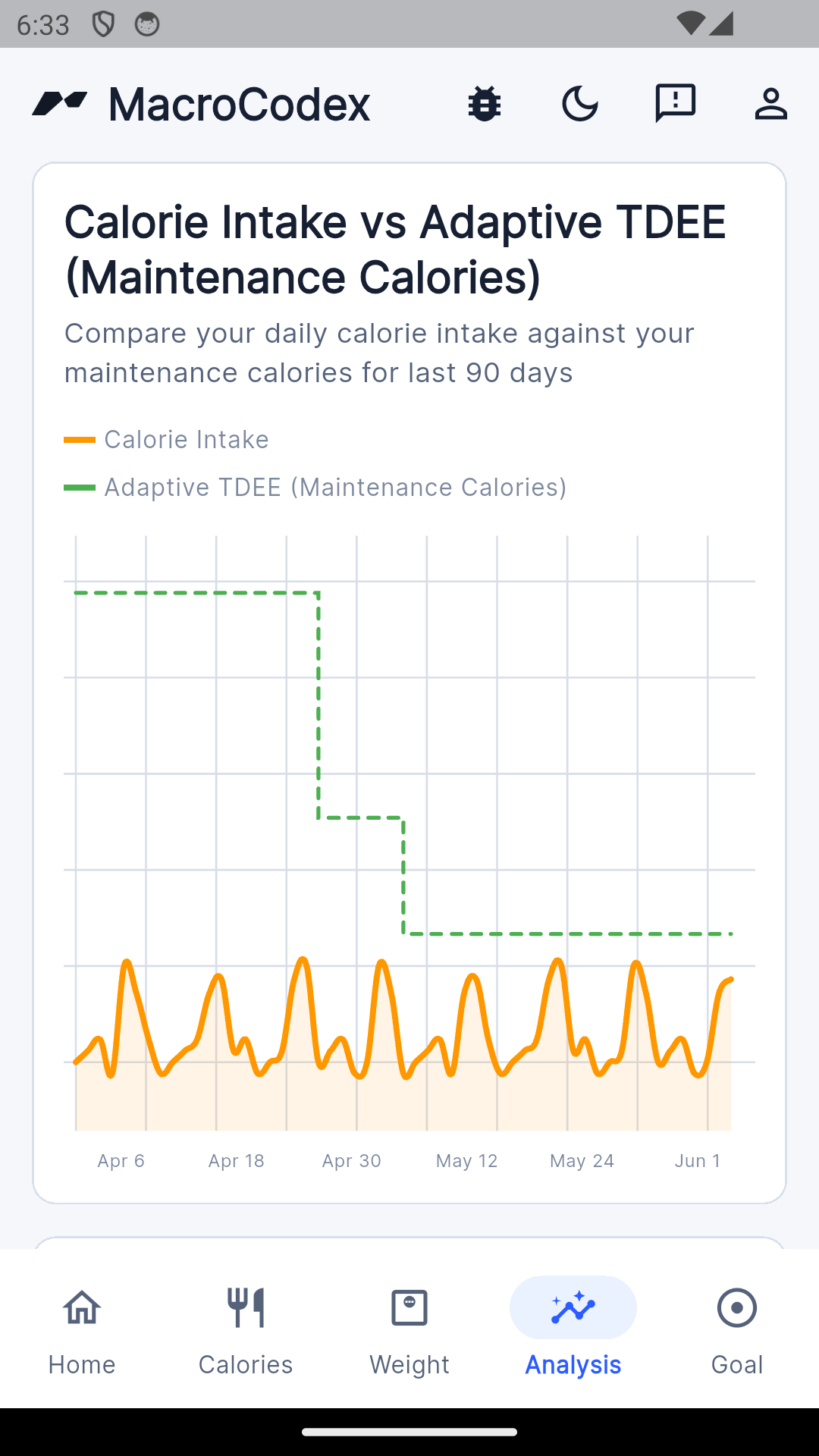
I posted this elsewhere too but i'll add it here: I've helped many people lose weight, become jacked, and go from underweight to a healthy weight. I regularly hear from overweight and obese people who come to me, “I’m genetically predisposed to being fat.” Yet after a few months, we often make significant progress. Many of them have also tried “deficit dieting,” and it didn’t work for them. But when I looked more deeply into their methods, I found they had calculated their maintenance calories incorrectly. They were running huge, unsustainable deficits. They weren’t doing any Zone 2 cardio, which is an easy way to boost maintenance calories, and most of them were largely sedentary. Many times, their diet consisted mostly of packaged, processed foods, and they weren’t eating enough protein or healthy fats or vegetables. Simply fixing these issues led to major transformations. I’ve yet to come across someone who is truly resistant to these changes. I do not doubt existence of people who simply cannot sustain even a small deficit or people who have no control over their diet but i've among 1000s of people i worked on i never found even 1 such person. I keep an open mind maybe i'll eventually find such person, so far i've not. | ||||||||
| ▲ | tsimionescu 2 hours ago | parent [-] | |||||||
I think you are ignoring the selection bias, when looking at people who seek out professional help for losing weight, even more so when it's about people who can then become jacked. Note that I'm not speaking as someone who has just accepted being overweight/obese. I was hovering around 105kg in my early 20s, then I gathered the motivation to go down to ~75kg over the course of a year, then maintained myself around 80-85kg for the next 5 years, then in a bad period went back to overeating and was hovering around 100kg again for a few years, and now I'm in the process of going back down (currently around 86-88kg after 6 months of actually working on losing weight - so about two thirds of the way to where I'd like to be, given I've also been building some muscle mass). So I'm not someone who just throws up their hands and says "I'll always be fat", or maybe pushes themselves for a fad diet one month and is proud of losing 5kg that come back right away. My experience though is that appetite control and managing food cravings are the most important parts of managing my own weight, and that the nutrient content of food has virtually nothing to do with it. I can eat a whole steak with 400g of steamed peas and some asparagus, with some butter and cheese, and then feel hungry and unsatisfied 4-6h later when the stomach isn't as full. And if I'm not in a good headspace, I may well then grab a McDonald's menu to get rid of the feeling of hunger and get some satisfaction that the steak and vegetables didn't actually address on that day - and the exact opposite can happen on other days. This is why for me things like One Meal A Day (OMAD) has been mucn more useful than actual careful nutrient tracking. Being able to tell myself "it's OK that I'm feeling hungry right now, I'll eat that X tomorrow and be satisfied" has been the single biggest helper. I've not yet been tempted to try out GLP-1s (afraid of the side effects, the food problem isn't that bad), but I imagine they could be a huge help if they removed the need for such willpower-based mechanisms. | ||||||||
| ||||||||