| ▲ | honeycrispy 3 hours ago | |||||||||||||||||||||||||||||||||||||||||||||||||||||||||||||||||||||||||||||||||||||
Can someone explain to me why we should continue to pay to track these currents? Genuine question. | ||||||||||||||||||||||||||||||||||||||||||||||||||||||||||||||||||||||||||||||||||||||
| ▲ | steve_adams_86 2 hours ago | parent | next [-] | |||||||||||||||||||||||||||||||||||||||||||||||||||||||||||||||||||||||||||||||||||||
Where I work we research some environmental data like ocean temperature (at depth and at surface), currents, acidity, salinity, and oxygen content. Most of this occurs at the surface, but a lot occurs via CTD (many depths) and autonomous drones along the continental shelf in BC, Canada. You'd think this stuff isn't worth monitoring, but it paints a very interesting picture of where things were, where they are now, and where they're going. We also do experiments on key species of the food web, analyze environmental DNA to see what's present and where, and generally try to figure out what this data says about living things and how they will handle these changes. The bottom line is that something as significant as ocean currents will have massive implications for crucial things like transport, food, agriculture, and more. This stuff is integral to the stability of everything you care about. And it's not looking great. Acidity is increasing, temperature is increasing, oxygen is decreasing, food webs are transforming; we need to know what this means ASAP, and we need to figure out how to adapt. This isn't your kids' kid's problems alone. You will likely experience impacts in your lifetime. A simple example: fat, nutrient-rich foundational species of the BC Coast's food web are gradually decreasing in population and presence, being replaced by less nutrient-dense species from warmer climates. Countless juvenile fish which underpin our commercial fishery stocks depend on the richer, more nutritious species to thrive. This could impact their populations and lead to even more expensive fish; and we're talking about species which were plentiful and affordable in my lifetime. As those species decrease in quantity, the higher trophic levels suffer as well. This will be reflected in countless ways. We need to measure this stuff because it's the beating heart of our planet, and it's changing for the worse (as far as our well-being is concerned). | ||||||||||||||||||||||||||||||||||||||||||||||||||||||||||||||||||||||||||||||||||||||
| ▲ | mbgerring 3 hours ago | parent | prev | next [-] | |||||||||||||||||||||||||||||||||||||||||||||||||||||||||||||||||||||||||||||||||||||
Can you think of any economically valuable reason why it might be important to know about weather trends or events in advance? Any at all? | ||||||||||||||||||||||||||||||||||||||||||||||||||||||||||||||||||||||||||||||||||||||
| ||||||||||||||||||||||||||||||||||||||||||||||||||||||||||||||||||||||||||||||||||||||
| ▲ | generj 3 hours ago | parent | prev | next [-] | |||||||||||||||||||||||||||||||||||||||||||||||||||||||||||||||||||||||||||||||||||||
Because it would be really nice to know if some of the currents collapse when it happens rather than months later. Even beyond that immediate need, the oceans are incredibly poorly studied and are of massive economic and military value to the United States. Baseline statistics on currents could be very useful for all kinds of as yet unknown science and applications. Countries that run a big navy do ocean science. It’s a form of dual purpose funding that benefits both civilian and military ships. | ||||||||||||||||||||||||||||||||||||||||||||||||||||||||||||||||||||||||||||||||||||||
| ▲ | AlotOfReading 3 hours ago | parent | prev | next [-] | |||||||||||||||||||||||||||||||||||||||||||||||||||||||||||||||||||||||||||||||||||||
Because the other responses are incredulously focused at why someone would ask such a dumb question, the answer is that oceans affect everyone's lives. Ocean currents and temperatures are major factors in storms, economic activity like trade, and ecosystems across the country. Monitoring them costs virtually nothing, and the benefits are huge. | ||||||||||||||||||||||||||||||||||||||||||||||||||||||||||||||||||||||||||||||||||||||
| ▲ | cjonas 3 hours ago | parent | prev | next [-] | |||||||||||||||||||||||||||||||||||||||||||||||||||||||||||||||||||||||||||||||||||||
> The system, which began operating in 2016, was designed to run for at least 25 years It's likely that a majority of the cost to collect the data has already been paid for... | ||||||||||||||||||||||||||||||||||||||||||||||||||||||||||||||||||||||||||||||||||||||
| ||||||||||||||||||||||||||||||||||||||||||||||||||||||||||||||||||||||||||||||||||||||
| ▲ | IIAOPSW 3 hours ago | parent | prev | next [-] | |||||||||||||||||||||||||||||||||||||||||||||||||||||||||||||||||||||||||||||||||||||
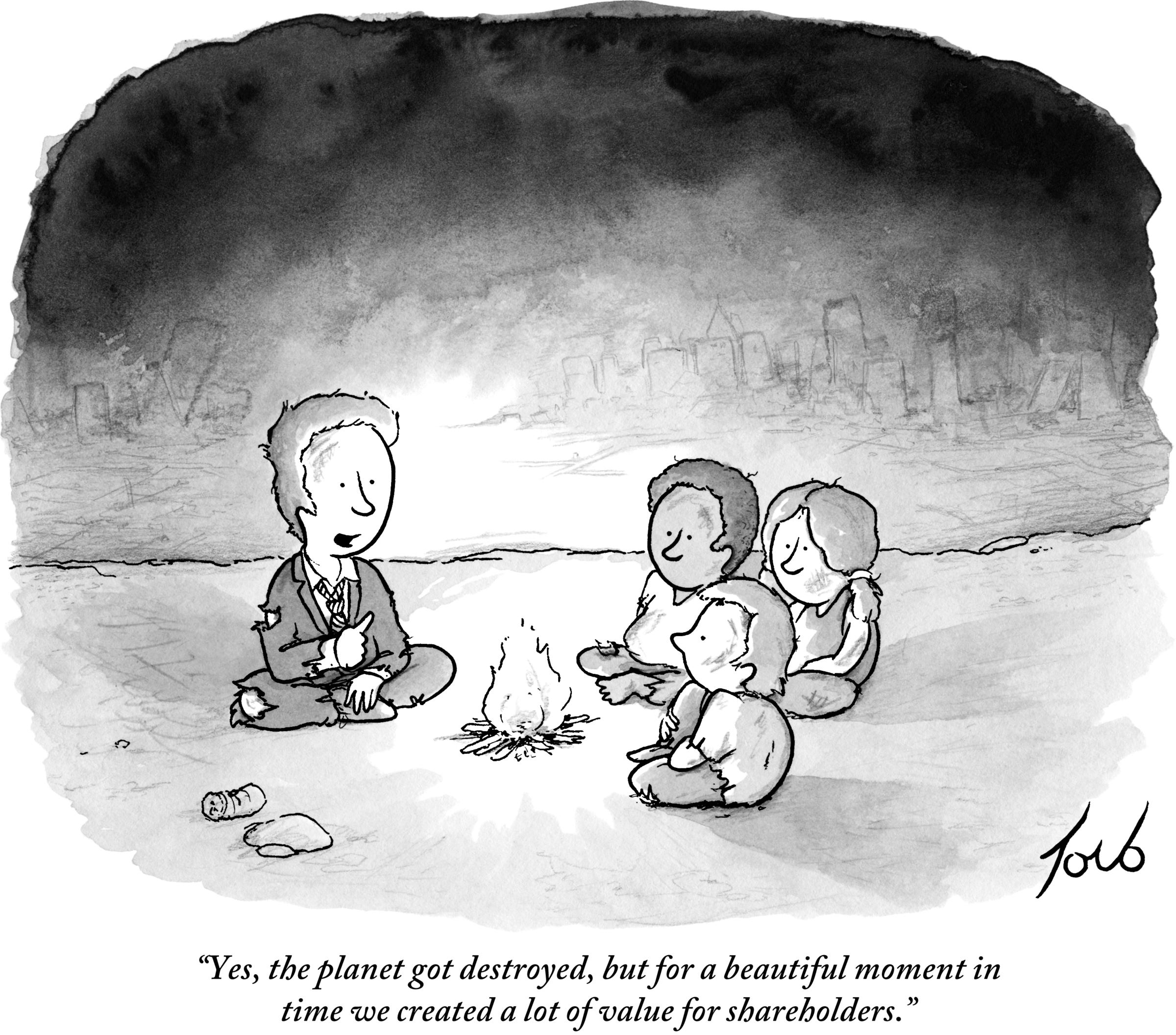
https://awakenedcompany.com/wp-content/uploads/2016/05/share... | ||||||||||||||||||||||||||||||||||||||||||||||||||||||||||||||||||||||||||||||||||||||
| ▲ | postflopclarity 3 hours ago | parent | prev | next [-] | |||||||||||||||||||||||||||||||||||||||||||||||||||||||||||||||||||||||||||||||||||||
because it is useful information for the public benefit, and not very expensive. | ||||||||||||||||||||||||||||||||||||||||||||||||||||||||||||||||||||||||||||||||||||||
| ||||||||||||||||||||||||||||||||||||||||||||||||||||||||||||||||||||||||||||||||||||||
| ▲ | avmich 3 hours ago | parent | prev | next [-] | |||||||||||||||||||||||||||||||||||||||||||||||||||||||||||||||||||||||||||||||||||||
So the currents will continue to be tracked, no? :) Seriously, we should find out why this system was desired and created in the first place to answer this question. Good question... | ||||||||||||||||||||||||||||||||||||||||||||||||||||||||||||||||||||||||||||||||||||||
| ||||||||||||||||||||||||||||||||||||||||||||||||||||||||||||||||||||||||||||||||||||||
| ▲ | emodendroket 3 hours ago | parent | prev | next [-] | |||||||||||||||||||||||||||||||||||||||||||||||||||||||||||||||||||||||||||||||||||||
Because the information could sensibly inform public policy, potentially has serious effects on everyone, and doesn't obviously lend itself to private actors paying for its collection because there's no great way to monetize it. Though I wonder how genuine the question really is. | ||||||||||||||||||||||||||||||||||||||||||||||||||||||||||||||||||||||||||||||||||||||
| ▲ | fooqux 3 hours ago | parent | prev | next [-] | |||||||||||||||||||||||||||||||||||||||||||||||||||||||||||||||||||||||||||||||||||||
Because if they suddenly stop, it will quite likely have devastating repercussions for the entire globe. Weather patterns (which also effects food growing), sea life (more food), and probably some other non-food related things too! | ||||||||||||||||||||||||||||||||||||||||||||||||||||||||||||||||||||||||||||||||||||||
| ||||||||||||||||||||||||||||||||||||||||||||||||||||||||||||||||||||||||||||||||||||||
| ▲ | qsera 2 hours ago | parent | prev | next [-] | |||||||||||||||||||||||||||||||||||||||||||||||||||||||||||||||||||||||||||||||||||||
Yes, it might be like watching Trump (or really all the news). If you keep at it 24x7 you ll feel that the sky will fall down in a couple of days. But if you stop watching him for like a month, nothing of consequence happens (mostly). Maybe these current watching is like that. If you keep looking at it,too closely and because we don't know all the variables, may be we keep making wrong "doomsday" predictions every time something moves. I have observed that this shows up in many places where we don't really know how things work.. I would much prefer if someone closely monitor the level of poisons and pesticides in the food and water we consume. For example, every store should be visited by a government agencey to collect samples and test them for poison levels... | ||||||||||||||||||||||||||||||||||||||||||||||||||||||||||||||||||||||||||||||||||||||
| ▲ | Ar-Curunir 3 hours ago | parent | prev | next [-] | |||||||||||||||||||||||||||||||||||||||||||||||||||||||||||||||||||||||||||||||||||||
First of all, science is good in and of itself. Second of all, this science in particular seems helpful to predict the impact of potentially disastrous climate change. | ||||||||||||||||||||||||||||||||||||||||||||||||||||||||||||||||||||||||||||||||||||||
| ▲ | yoyohello13 2 hours ago | parent | prev | next [-] | |||||||||||||||||||||||||||||||||||||||||||||||||||||||||||||||||||||||||||||||||||||
Obvs That money is much better spent helping those poor ‘victims’ of ‘lawfare’ | ||||||||||||||||||||||||||||||||||||||||||||||||||||||||||||||||||||||||||||||||||||||
| ▲ | drfloyd51 3 hours ago | parent | prev | next [-] | |||||||||||||||||||||||||||||||||||||||||||||||||||||||||||||||||||||||||||||||||||||
[flagged] | ||||||||||||||||||||||||||||||||||||||||||||||||||||||||||||||||||||||||||||||||||||||
| ▲ | jbxntuehineoh 2 hours ago | parent | prev | next [-] | |||||||||||||||||||||||||||||||||||||||||||||||||||||||||||||||||||||||||||||||||||||
[flagged] | ||||||||||||||||||||||||||||||||||||||||||||||||||||||||||||||||||||||||||||||||||||||
| ▲ | dalyons 3 hours ago | parent | prev [-] | |||||||||||||||||||||||||||||||||||||||||||||||||||||||||||||||||||||||||||||||||||||
[flagged] | ||||||||||||||||||||||||||||||||||||||||||||||||||||||||||||||||||||||||||||||||||||||
| ||||||||||||||||||||||||||||||||||||||||||||||||||||||||||||||||||||||||||||||||||||||