| ▲ | commandersaki 6 hours ago | |||||||||||||
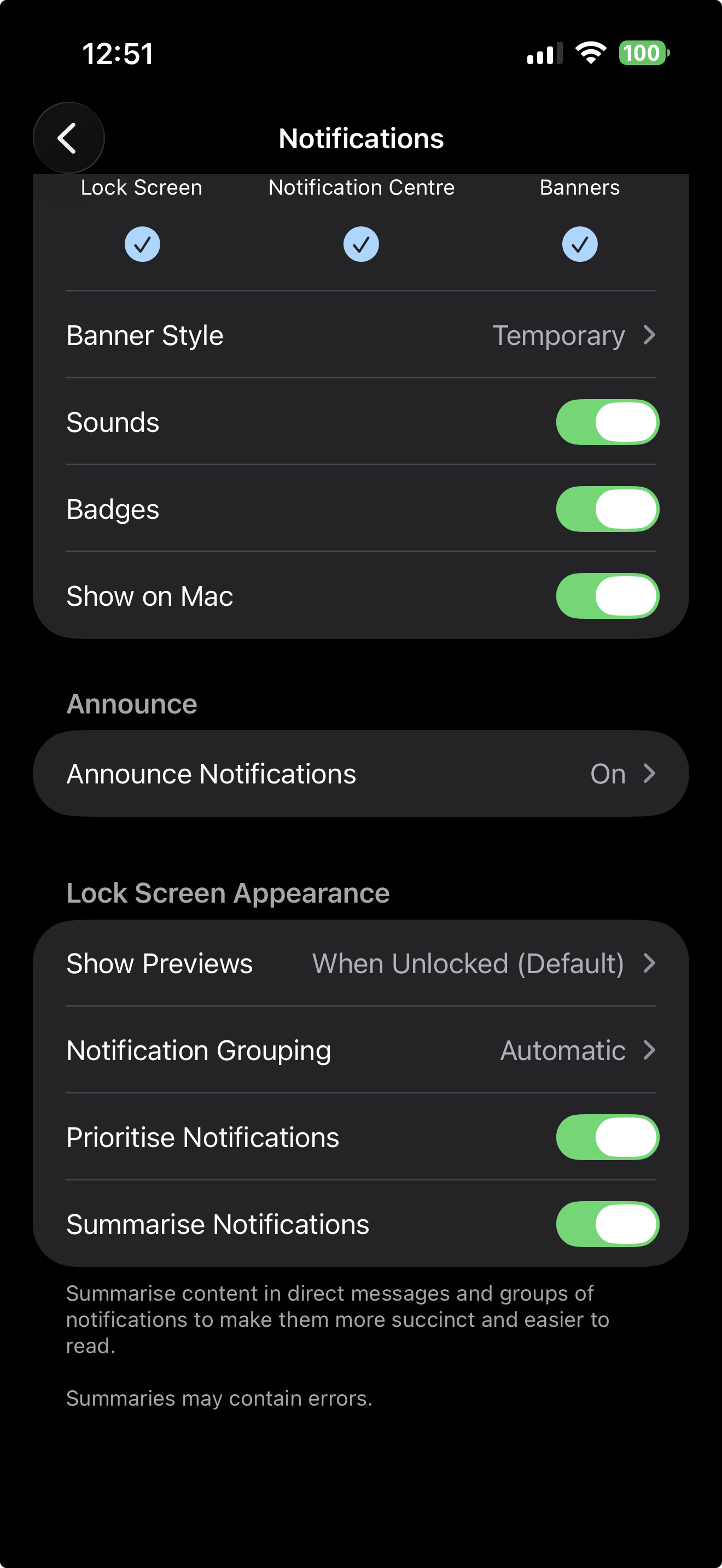
So I wonder about this. The quote from the 404 media article [0] is: “We learned that specifically on iPhones, if one’s settings in the Signal app allow for message notifications and previews to show up on the lock screen, [then] the iPhone will internally store those notifications/message previews in the internal memory of the device,” a supporter of the defendants who was taking notes during the trial told 404 Media The default setting appears to be to only show notification preview when unlocked. Will that notification still be stored unencrypted in notification storage or is it in an encrypted store because it will preview after unlock? It makes sense that any notification that previews on the lock screen would be unencrypted (including the case where it is encrypted but the encryption key is adjacently stored). This all reads to me that this was a user induced OPSEC issue and Signal had the right defaults. | ||||||||||||||
| ▲ | sillysaurusx 4 hours ago | parent [-] | |||||||||||||
I think that’s a little nutty. People go to signal for secure messaging. That’s their entire brand. An insecure by default setting is the wrong setting, even if it nets them a lot of tech illiterate users. Compromising the security of the system defeats the entire point of using Signal instead of some other messenger. By this logic, you, me, and everyone else using the defaults are using bad opsec. Doesn’t that strike you as problematic? | ||||||||||||||
| ||||||||||||||