| ▲ | visarga 5 hours ago | |||||||||||||||||||||||||||||||||||||||||||||||||||||||||||||||||||||||||
If AI produces surplus where does it go? Not talking about investment backed datacenter buildout and AI labs. Talking about the results of AI work... I think AI outcomes distribute to contexts where it is used, and produce a change in how we work, what work we take on. Competition takes care of taking those surpluses and investing them in new structure, which becomes load bearing and we can't do without it anymore. In the end it looks like we are treading water, just like it was when computers got 1M times faster in a couple of decades, but we felt very little improvement in earnings or reduction in work. Surplus becomes structure and the changed structure is something you can't function without. Like the cell and mitochondrion, after they merged they can't be apart, can't pay their costs individually anymore. Surplus is absorbed into the baseline cost. | ||||||||||||||||||||||||||||||||||||||||||||||||||||||||||||||||||||||||||
| ▲ | lm28469 5 hours ago | parent | next [-] | |||||||||||||||||||||||||||||||||||||||||||||||||||||||||||||||||||||||||
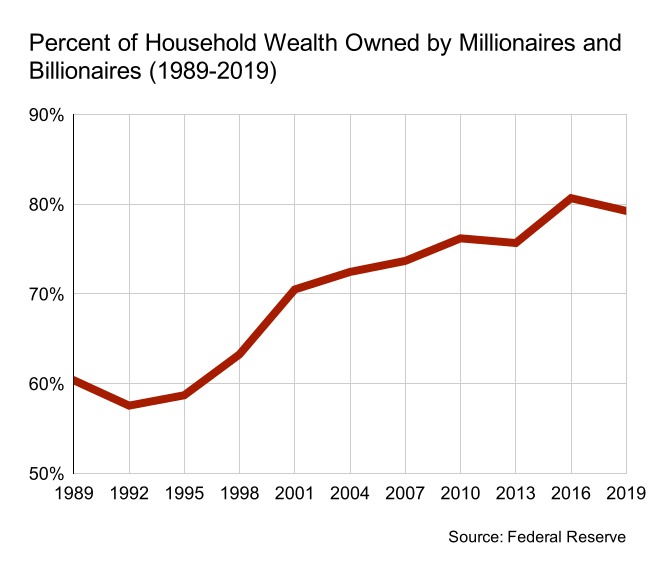
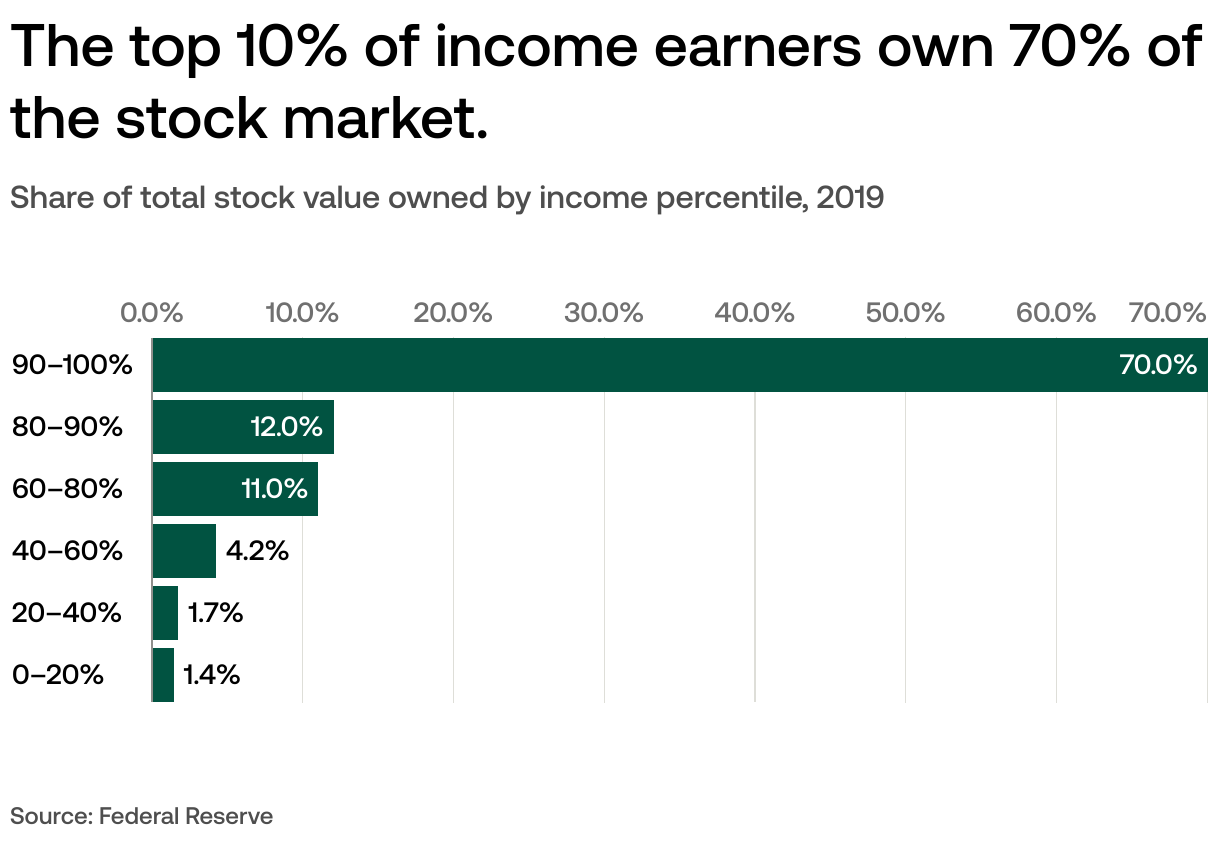
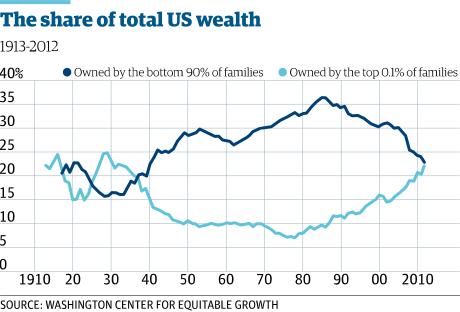
> If AI produces surplus where does it go? Not talking about investment backed datacenter buildout and AI labs. Talking about the results of AI work... The 1% pockets, this is where the vast majority of the extra productivity computers/internet/automation brought goes to for the last 50 years: https://www.epi.org/productivity-pay-gap/ | ||||||||||||||||||||||||||||||||||||||||||||||||||||||||||||||||||||||||||
| ||||||||||||||||||||||||||||||||||||||||||||||||||||||||||||||||||||||||||
| ▲ | skybrian 4 hours ago | parent | prev | next [-] | |||||||||||||||||||||||||||||||||||||||||||||||||||||||||||||||||||||||||
For my personal projects, any time saved on programming gets used up writing more ambitious programs. For a business, the question is whether you can make more money by doing more ambitious things. | ||||||||||||||||||||||||||||||||||||||||||||||||||||||||||||||||||||||||||
| ▲ | ripvanwinkle 5 hours ago | parent | prev | next [-] | |||||||||||||||||||||||||||||||||||||||||||||||||||||||||||||||||||||||||
The surplus goes to the owners of the capital. Labor has been losing to capital for sometime now | ||||||||||||||||||||||||||||||||||||||||||||||||||||||||||||||||||||||||||
| ▲ | ivanjermakov 4 hours ago | parent | prev | next [-] | |||||||||||||||||||||||||||||||||||||||||||||||||||||||||||||||||||||||||
It's up to business owners to decide. At the end of the day, in free market economy, goods become more affordable. Agriculture is a good example of that: http://www.johnhearfield.com/History/Breadt.htm | ||||||||||||||||||||||||||||||||||||||||||||||||||||||||||||||||||||||||||
| ▲ | yifanl 5 hours ago | parent | prev | next [-] | |||||||||||||||||||||||||||||||||||||||||||||||||||||||||||||||||||||||||
If AI being a million billion zillion times more productive at doing bullshit jobs nets in very little economic gain, then that lays bare the net economic value of all our bullshit jobs. But given that the stock market hasn't panicked, this must mean at least one of these premises is false: 1. Economic activity is relatively flat. 2. AI makes us a million billion zillion times more productive than we used to be. 3. The stock market is rooted in reality. | ||||||||||||||||||||||||||||||||||||||||||||||||||||||||||||||||||||||||||
| ||||||||||||||||||||||||||||||||||||||||||||||||||||||||||||||||||||||||||
| ▲ | adolph 4 hours ago | parent | prev | next [-] | |||||||||||||||||||||||||||||||||||||||||||||||||||||||||||||||||||||||||
> In the end it looks like we are treading water, just like it was when computers got 1M times faster in a couple of decades, but we felt very little improvement in earnings or reduction in work. I think this is a very important point. The hedonic treadmill means real gains are discounted. The novelty information cycle is like an Osborn Effect for improvements, like the semi-annual Popular Mechanic's flying car covers where there is an enticing future perpetually nearly here and at the same time disappointingly never materialized. | ||||||||||||||||||||||||||||||||||||||||||||||||||||||||||||||||||||||||||
| ▲ | cucumber3732842 4 hours ago | parent | prev [-] | |||||||||||||||||||||||||||||||||||||||||||||||||||||||||||||||||||||||||
I think it's gonna mirror how the white collar classes, coastal elites, professional managerial class, whatever you want to call them, sold the countries industrial base to the far east. They got a little bit of money out of it but the biggest gains were the material wealth. $1 widgets instead of $2 widgets. All the people who weren't hurt by it got to live with more material plenty. Of course the nominal values of things didn't go down, but that's just inflation which is somewhat separate of an effect. This time the jobs most in the crosshairs of AI are the jobs that constituted the paper pushing overhead of modern society, all the paper pushing jobs. Instead of $1 widgets from China replacing $2 domestic widgets it's gonna be $1 AI services replacing $2 services that require a real human. This is hard to reason about because people tend to consume these kinds of services in big multi hundred or multi thousand dollar increments but in practice what it means is that when you have to engage an accountant, engineer, having something planned out in accordance with some standard, that will be substantially cheaper because of the reduced professional labor component. And of course, as usual, the string pulling and in investor class will get fabulously wealthy along the way. | ||||||||||||||||||||||||||||||||||||||||||||||||||||||||||||||||||||||||||