| ▲ | duskwuff 6 hours ago | |||||||
Stand up and try to hold your arms out in front of you, with the palms facing straight down. You'll find that this is a little awkward. The natural resting position of your hands is with the palms facing inwards, not down. | ||||||||
| ▲ | SamBam 2 hours ago | parent | next [-] | |||||||
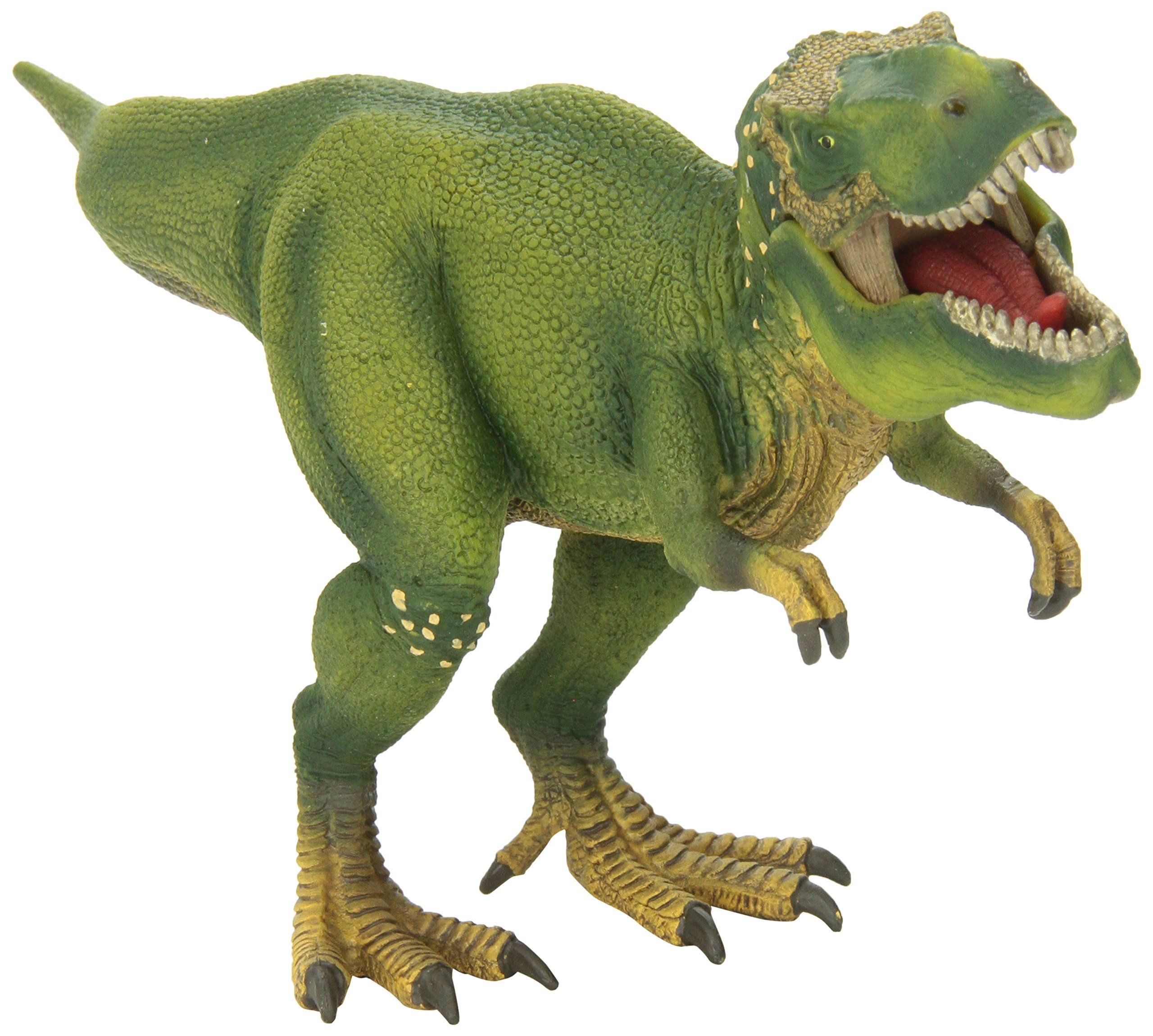
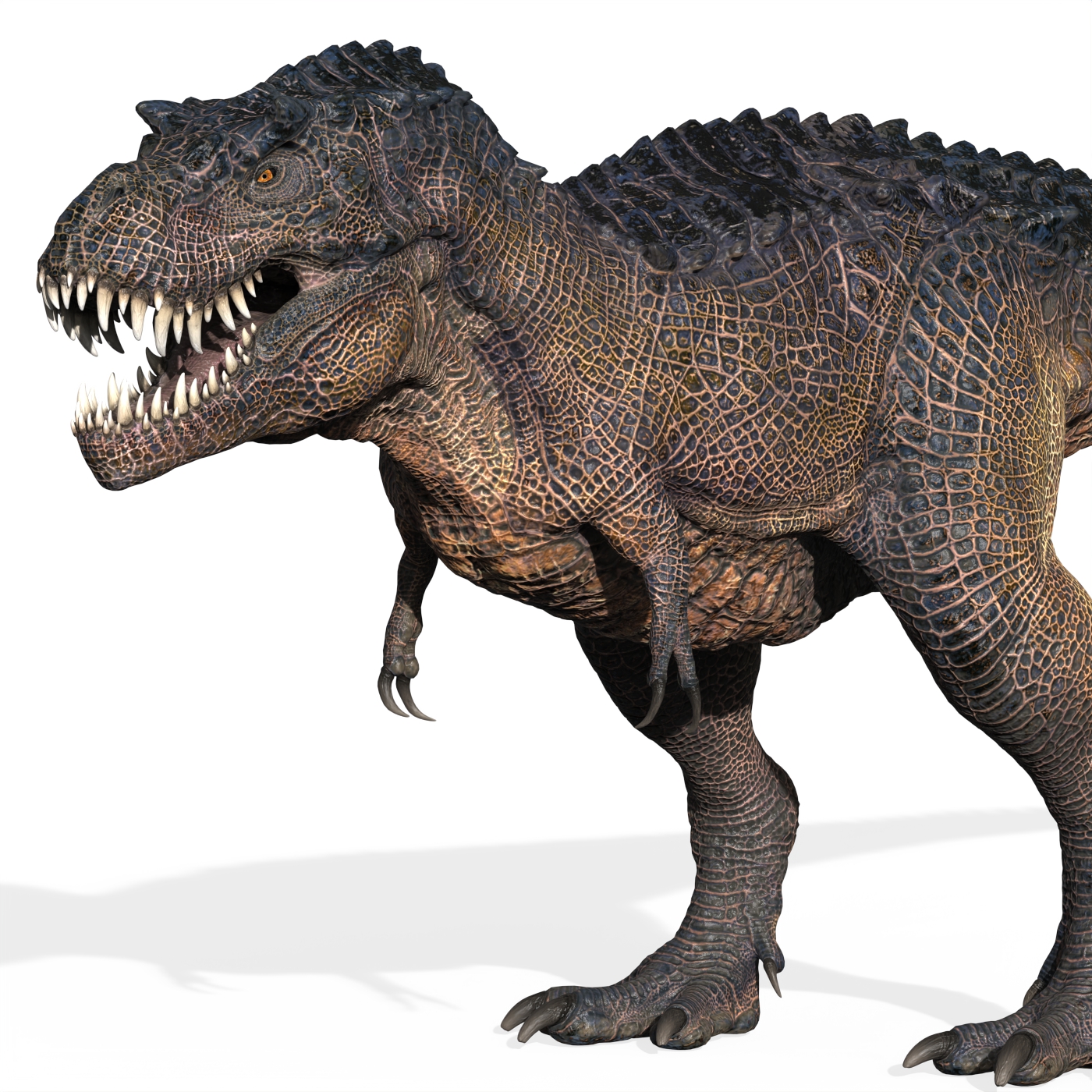
So if I understand right, this image of a T-Rex [1] would be wrong, because its palms are facing downward, while this image of a T-Rex [2] would be right because its palms are in a "clapping" posture? But I'm still a little confused. Most quadrupeds have their front toes facing forward, right? If the first T-Rex did a belly-flop and caught itself on its palms, they'd be facing forward like a dog's. If the second T-Rex did a belly flop, its toes would be facing outward, like Charlie Chaplin's feet. 1. https://geppettostoybox.com/wp-content/uploads/2021/01/trex.... 2. https://s3.envato.com/files/471149443/Realistic%20Trex%20Din... | ||||||||
| ▲ | Syntonicles 6 hours ago | parent | prev | next [-] | |||||||
Oh, that helps me. I thought it had something to do with rotating the palm. Why did they go into all the detail of the ulna & radius crossing? The counter example they gave was the elephant - but this video [1] of elephants walking looks to me like "bunny hands", at least to a degree. | ||||||||
| ||||||||
| ▲ | sho_hn 5 hours ago | parent | prev | next [-] | |||||||
Strangely, for me, downward is more restful than inward. Must be the decades of keyboard use ... | ||||||||
| ▲ | thaumasiotes 5 hours ago | parent | prev [-] | |||||||
I agree with the article (well, the sauropod tracks in the article) that the natural resting position of your arm as you extend it forward has your palms mostly downward and a little inward. Fully downward is much, much more natural than fully inward. | ||||||||