| ▲ | montroser 8 hours ago | ||||||||||||||||||||||||||||||||||||||||||||||
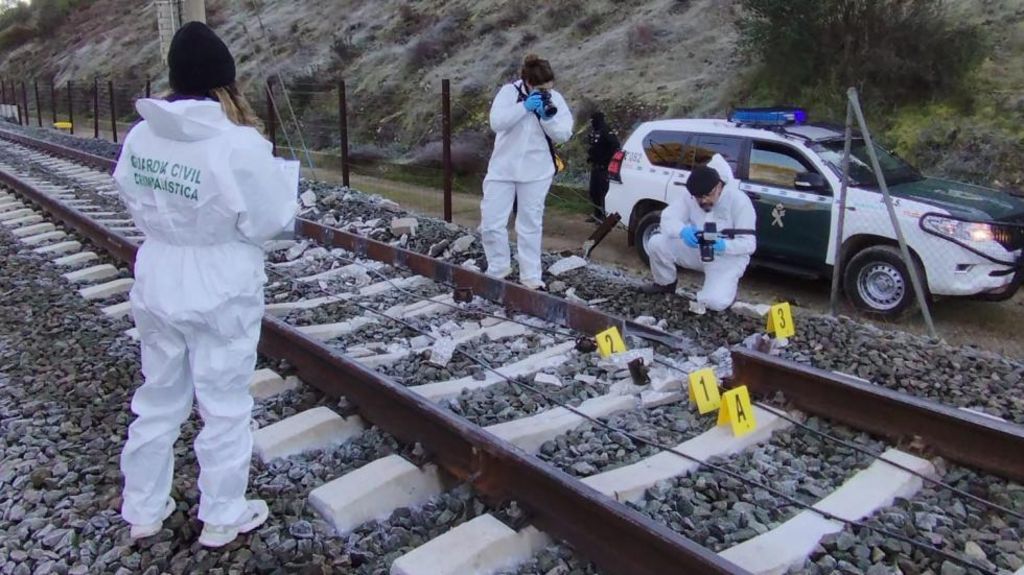
What are the some of the ways that tracks are monitored for fractures like this? It must have been pretty substantial in order to be described as "complete lack of continuity". Makes me think of literally electronic continuity tests -- are those ever used in this context? Or how about cameras mounted on trains using image processing? Or drones? It seems a shame that a few other trains passed beforehand with this anomaly in place and yet it went undetected. | |||||||||||||||||||||||||||||||||||||||||||||||
| ▲ | dkbrk 5 minutes ago | parent | next [-] | ||||||||||||||||||||||||||||||||||||||||||||||
You can look at the Wikipedia page on railway defect dectectors [0]. Under "rail break monitors" it mentions both electrical continuity and time-domain reflectometry can be used, and are most frequently used on high-speed tracks. In addition, there are vast array of other detectors using acoustic sensors, strain gauges, accelerometers, cameras in the visible and infrared spectrum or laser measurement, that potentially could have detected an anomaly (i.e. damage to the wheels of other trains before the incident). [0]: https://en.wikipedia.org/w/index.php?title=Defect_detector | |||||||||||||||||||||||||||||||||||||||||||||||
| ▲ | sigwinch28 8 hours ago | parent | prev | next [-] | ||||||||||||||||||||||||||||||||||||||||||||||
Measurement trains filled with cameras and LIDAR For example, in the U.K.: | |||||||||||||||||||||||||||||||||||||||||||||||
| |||||||||||||||||||||||||||||||||||||||||||||||
| ▲ | amelius 8 hours ago | parent | prev | next [-] | ||||||||||||||||||||||||||||||||||||||||||||||
There are special trains with measurement equipment on board, but yes, it sounds to me like every train should be equipped with some basic sensors for anomaly detection. | |||||||||||||||||||||||||||||||||||||||||||||||
| |||||||||||||||||||||||||||||||||||||||||||||||
| ▲ | gambutin 8 hours ago | parent | prev | next [-] | ||||||||||||||||||||||||||||||||||||||||||||||
AFAIK, one technique for monitoring cracks uses ultrasonic sensors. They send sound waves through the rails and detect cracks by analyzing reflected waves. | |||||||||||||||||||||||||||||||||||||||||||||||
| ▲ | djoldman 7 hours ago | parent | prev | next [-] | ||||||||||||||||||||||||||||||||||||||||||||||
Wheel Impact Load Detector. It measures vertical forces in kips - (kilo-pounds-force, 1 KIP = 1,000 lbs) They have these in the USA. | |||||||||||||||||||||||||||||||||||||||||||||||
| ▲ | direwolf20 7 hours ago | parent | prev [-] | ||||||||||||||||||||||||||||||||||||||||||||||
TFA indicates a 40cm gap — huge! | |||||||||||||||||||||||||||||||||||||||||||||||
| |||||||||||||||||||||||||||||||||||||||||||||||