| ▲ | Aurornis 17 hours ago | |||||||||||||
> and the reason no one is called out for "buying Google searches and denying applicants for searching for naughty words" is because it is trivial to make legal. Citation needed for a claim of this magnitude. > It is well documented in many many places, people just don't care. Yes, please share documentation of companies buying search data and rejecting candidates for it. Like most conspiracy theories, there are a lot of statements about this happening and being documented but the documentation never arrives. | ||||||||||||||
| ▲ | nyrikki 15 hours ago | parent [-] | |||||||||||||
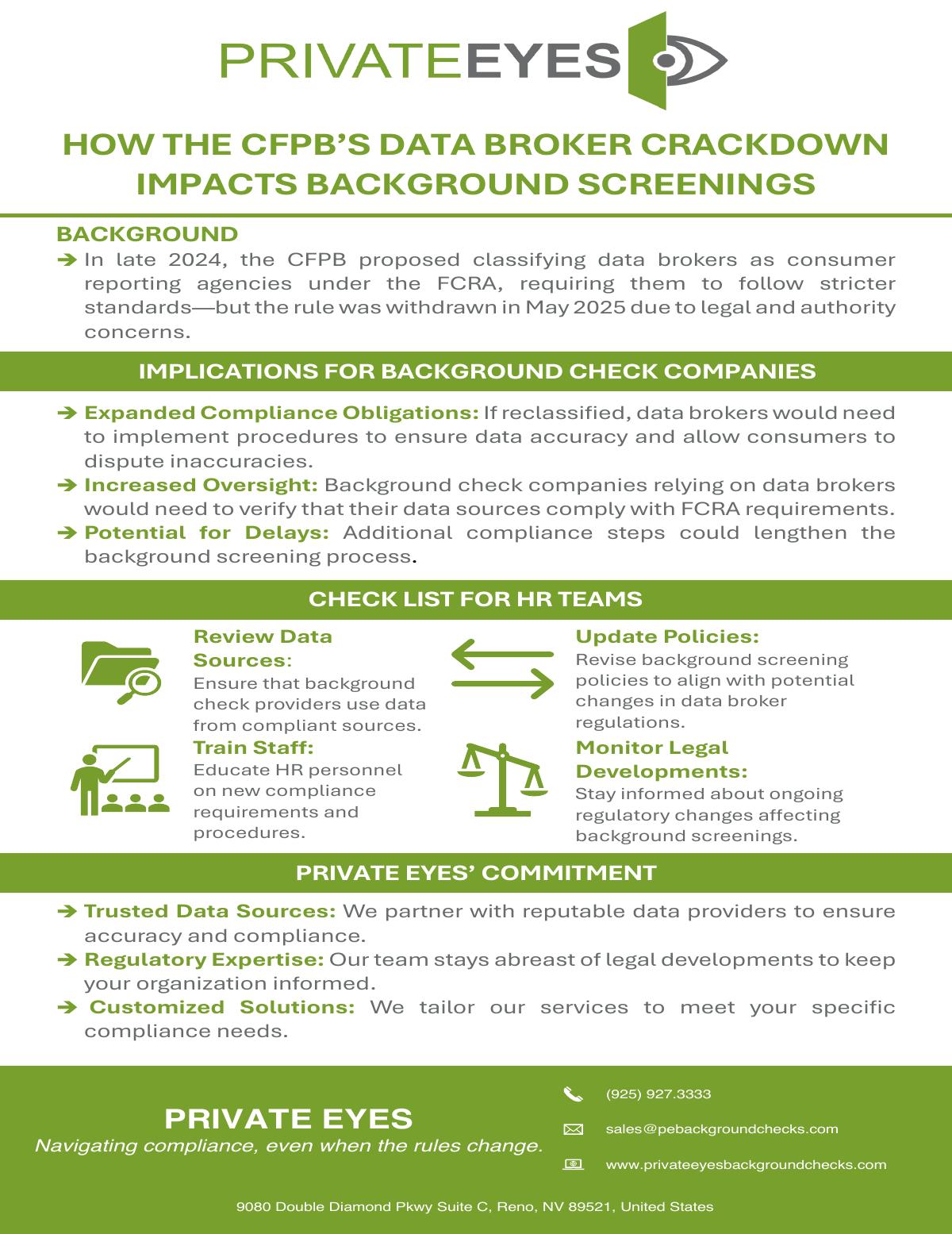
Like most cults, you ignore direct links with cites from multiple governments agencies, but here is another. https://www.upturn.org/work/comments-to-the-cfpb-on-data-bro... > Most employers we examined used an ATS capable of integrating with a range of background screening vendors, including those providing social media screens, criminal background checks, credit checks, drug and health screenings, and I-9 and E-Verify.29 As applicants, however, we had no way of knowing which, if any, background check systems were used to evaluate our applications. Employers provided no meaningful feedback or explanation when an offer of work was not extended. Thus, a job candidate subjected to a background check may have no opportunity to contest the data or conclusions derived therefrom.30 If you are going to ignore a decade of research etc... I can't prove it to you. > The agency found that data brokers routinely sidestep the FCRA by claiming they aren't subject to its requirements – even while selling the very types of sensitive personal and financial information Congress intended the law to protect. https://www.consumerfinance.gov/about-us/newsroom/cfpb-propo... > Data brokers obtain information from a variety of sources, including retailers, websites and apps, newspaper and magazine publishers, and financial service providers, as well as cookies and similar technologies that gather information about consumers’ online activities. Other information is publicly available, such as criminal and civil record information maintained by federal, state, and local courts and governments, and information available on the internet, including information posted by consumers on social media. > Data brokers analyze and package consumers’ information into reports used by creditors, insurers, landlords, employers, and others to make decisions about consumers https://files.consumerfinance.gov/f/documents/cfpb_fcra-nprm... And that CFPB proposal was withdrawn: https://www.consumerfinancialserviceslawmonitor.com/2025/05/... Note screen shots of paywalled white papers from large HR orgs: https://directorylogos.mediabrains.com/clientimages/f82ca2e3... Image from here: https://vendordirectory.shrm.org/company/839063/whitepapers/... But I am betting you come back with another ad hominem, so I will stay in the real world while you ignore it, enjoy having the last word. | ||||||||||||||
| ||||||||||||||