| ▲ | dayeye2006 4 hours ago | ||||||||||||||||
wondering what's your typical usage for those small distros? | |||||||||||||||||
| ▲ | marttt 22 minutes ago | parent | next [-] | ||||||||||||||||
I like using old hardware, and Tiny Core was my daily driver for 5+ years on a Thinkpad T42 (died recently) and Dell Mini 9 (still working). I tried other distros on those machines, but eventually always came back to TC. RAM-booting makes the system fast and quiet on that 15+ years old iron, and I loved how easy it was to hand-tailor the OS - e.g. the packages loaded during boot are simply listed in a single flat file (onboot.lst). I used both the FLTK desktop (including my all-time favorite web browser, Dillo, which was fine for most sites up to about 2018 or so) and the text-only mode. TC repos are not bad at all, but building your own TC/squashfs packages will probably become second nature over time. I can also confirm that a handful of lenghty, long-form radio programs (a somewhat "landmark" show) for my Tiny Country's public broadcasting are produced -- and, in some cases, even recorded -- on either a Dell Mini 9 or a Thinkpad T42 and Tiny Core Linux, using the (now obsolete?) Non DAW or Reaper via Wine. It was always fun to think about this: here I am, producing/recording audio for Public Broadcasting on a 13+ year old T42 or a 10 year old Dell Mini netbook bought for 20€ and 5€ (!) respectively, whereas other folks accomplish the exact same thing with a 2000€ MacBook Pro. It's a nice distro for weirdos and fringe "because I can" people, I guess. Well thought out. Not very far from "a Linux that fits inside a single person's head". Full respect to the devs for their quiet consistency - no "revolutionary" updates or paradigm shifts, just keeping the system working, year after year. (FLTK in 2025? Why not? It does have its charm!) This looks to be quite similar to the maintenance philosophy of the BSDs. And, next to TC, even NetBSD feels "bloated" :) -- even though it would obviously be nice to have BSD Handbook level documentation for TC; then again, the scope/goal of the two projects is maybe too different, so no big deal. The Corebook [1] is still a good overview of the system -- no idea how up-to-date it is, though. All in all, an interesting distro that may "grow on you". | |||||||||||||||||
| ▲ | nopakos 4 hours ago | parent | prev | next [-] | ||||||||||||||||
I use one of them to make an old EEE laptop a dedicated Pico-8 machine for my kids. [https://www.lexaloffle.com/pico-8.php] | |||||||||||||||||
| ▲ | hamdingers 2 hours ago | parent | prev | next [-] | ||||||||||||||||
In college I used a Slax (version 6 IIRC) SD card for schoolwork. I did my work across various junk laptops, a gaming PC, and lab computers, so it gave me consistency across all of those. Booting a dedicated, tiny OS with no distractions helped me focus. Plus since the home directory was a FAT32 partition, I could access all my files on any machine without having to boot. A feature I used a lot when printing assignments at the library. | |||||||||||||||||
| ▲ | jacquesm 2 hours ago | parent | prev | next [-] | ||||||||||||||||
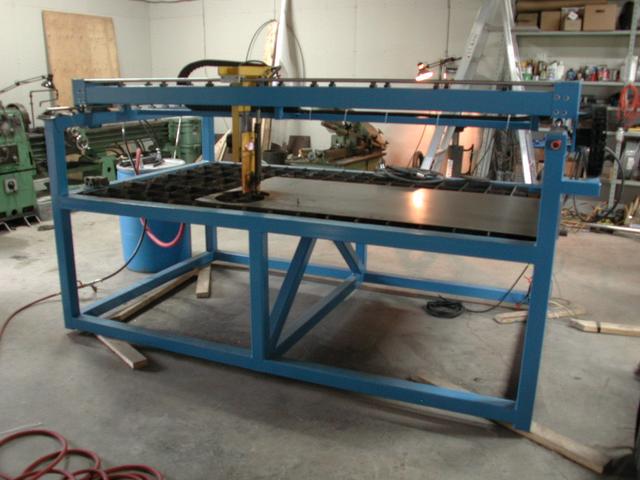
I used DSL for the control of a homebrew 8' x 4' CNC plasmacutter. | |||||||||||||||||
| |||||||||||||||||
| ▲ | jbstack 4 hours ago | parent | prev [-] | ||||||||||||||||
They can be nice for running low footprint VMs (e.g. in LXD / Incus) where you don't want to use a container. Alpine in particular is popular for this. The downside is there are sometimes compatibility issues where packages expect certain dependencies that Alpine doesn't provide. | |||||||||||||||||